Augmented Reality: AR Market 10x, Hitting $600 Billion by 2030
By 2030 augmented reality grows 10X into a $600 billion market and powers a $5 trillion metaverse economy. Why ambient reality kills the screen.
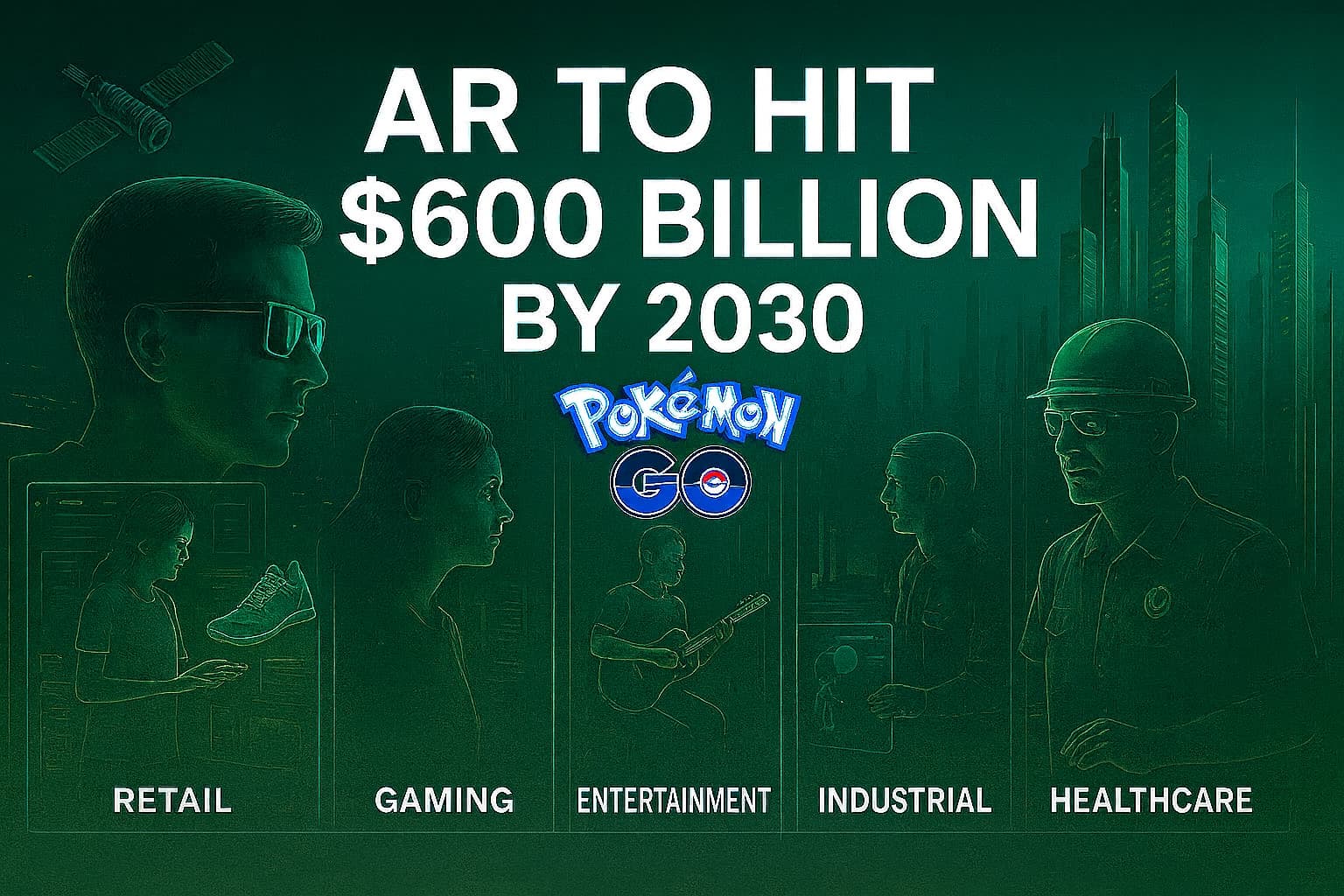
Augmented Reality (AR) is not a gimmick; it is the next 10x exponential market. My forecasts now put the global AR industry on track to hit around $600 billion by 2030, powered by retail, gaming, entertainment, real estate, industrial use, and healthcare.
While VR grabs the headlines, it is AR, the digital layer on top of our real world, that will drive most of the $1.5 trillion GDP boost analysts expect from immersive tech by 2030. AR will not live in a lab or a headset; it will live in your customer’s eyes, on the streets, in stadiums, and in stores.
If you are a CEO, CMO, founder, league owner, rightsholder, studio boss, or platform leader in media, entertainment, sports, or gaming, and you still treat AR as a side project, you are not just late. You are watching black-and-white television while your audience is already living in AR.
This story is your field guide. Over the next few minutes, I will show you where the real AR money will be made, who will be disrupted first, and which moves belong on your roadmap if you do not want your brand, league, or studio to become a case study in “too little, too late.”
Coin the trends! Go big, go niche, or go home.
AR: From $42 Billion to $600 Billion by 2030
My AR predictions are loud and straightforward, and my Prediction Accuracy Rate is 84%. Morgan Stanley scores a PAR of 46%, futurist Ray Kurzweil 86%. My foresight led to 5 exits in MarTech, angel investments in 24 social startups, and the building of a $45 million global speaking business. In other words, feel confident using my predictions to coin the trends.
Augmented Reality is set to explode from roughly $42 billion in 2025 to a $600 billion global industry by 2030. Not “maybe,” not “if everything goes perfectly,” not “under certain conditions.” That is the direction of travel if you understand exponential curves rather than the slow, linear models most boardrooms still worship like religion.
AR is not a futuristic fantasy for Gen Z and gamers. It is a trillion-dollar shift in disguise. For leaders in media, entertainment, sports, and gaming, AR is not a “nice to have.” It is a new operating system for reality that will decide who owns attention, who owns distribution, and who ends up as a nostalgic case study in a consulting deck.
The $5 Trillion Metaverse Economy
For the broader “metaverse economy,” which includes VR, AR, XR, MR, virtual goods, e-commerce, and services, I predict a $4–5 trillion market by 2030.
McKinsey’s own analysis of value creation in the metaverse falls within the same range, projecting up to $5 trillion in economic impact by 2030. They call it a massive opportunity. I call it a once-in-a-lifetime redistribution of power and profits.
This is not about cartoonish legless avatars dancing in a fake conference hall. It is about a deep integration of digital layers into the physical world. Tickets, memberships, media rights, loyalty programs, training, coaching, and fan experiences will live in a persistent AR and XR layer.
When that happens, the value is no longer in the poster or the TV spot. The value is in owning the interface that sits between humans and their reality.
That is the stadium you want to own.
Big Tech’s All-in Augmented Reality Battle
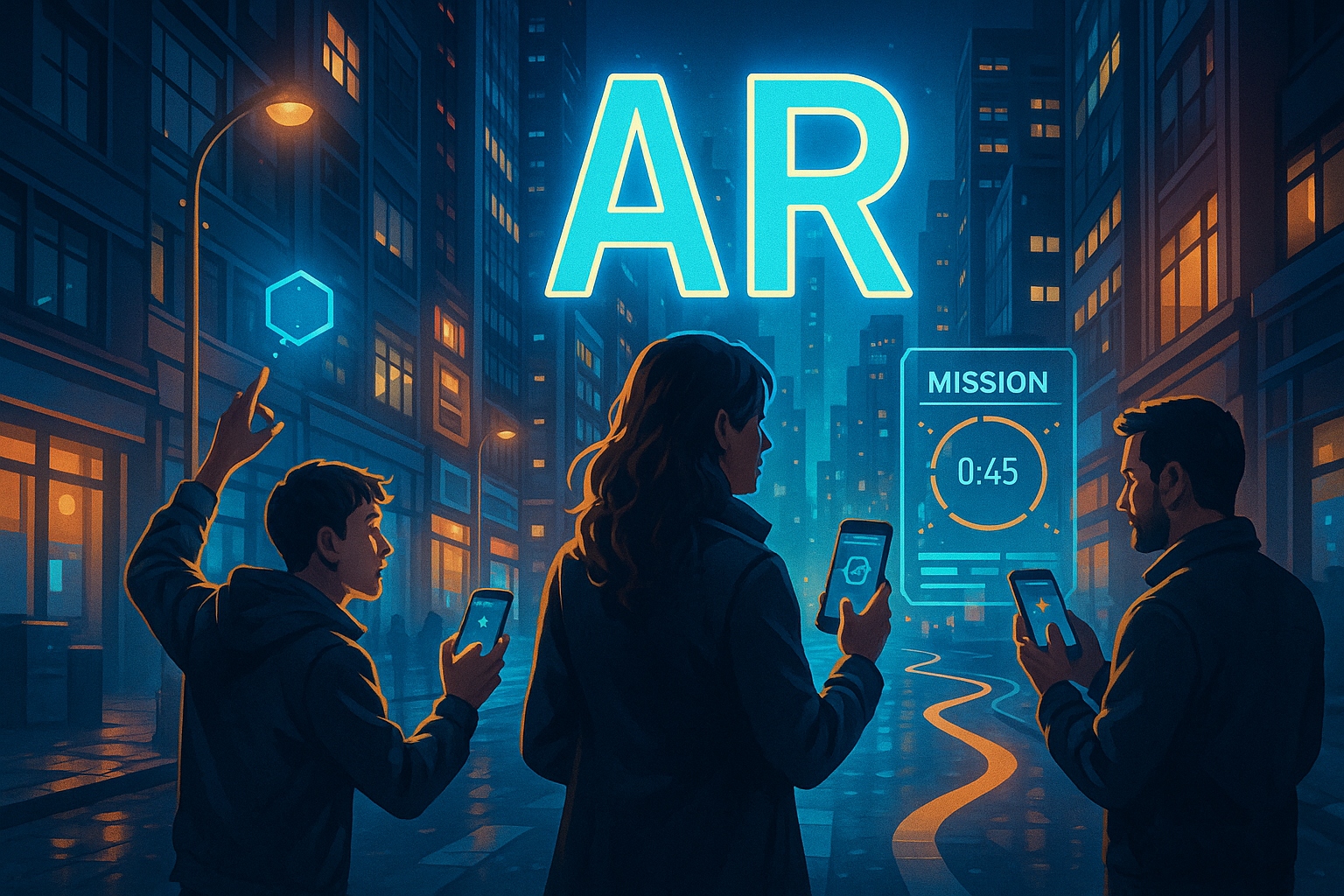
Big Tech has already picked sides and is burning capital at a rate that should shock anyone who still thinks AR is a fad.
Meta has burned over $100 billion trying to own the next interface and is still buying optics, content, and platforms like a drunken sailor because it knows it missed mobile. You do not spend that kind of money on a gimmick. You pay it when you see the next attention monopoly forming, and you refuse to miss it twice.
Apple is stacking stealth acquisitions and building from the silicon up, locking hardware, software, and content into one beautifully controlled garden. The Vision Pro was just the teaser trailer. Too expensive? Yup, $3,500 for a headset: Don’t get high on your own supply, Apple.
Apple is not playing for VR gamer leftovers. It is building the premium layer of spatial computing, where entertainment, productivity, sports, and live events blur into a single ambient experience.
Google swallowed Raxium for micro-LED AR displays and pulled in the HTC XR engineering team. Its bet is simple: Android XR and a smartglass-first future where search does not sit in a box, but in your field of view.
If Google moves Search, Maps, and YouTube into Augmented Reality, it will no longer be a website you visit. It becomes the lens you live behind.
Snap is already billions of dollars deep into optics and Spectacles. It was early to lenses, early to AR filters, and early to the idea that the camera is the new keyboard. Snap understands that lenses, not newsfeeds, are the new front page. It is quieter than Meta and Apple, but strategically, it is not out of the race. It is already running it.
Niantic is transforming the real world with 8th Wall and Lightship, turning the planet into a programmable canvas. Where others see streets and stadiums, Niantic sees anchor points, layers, and live experiences.
Its browser-based AR stack lets brands run AR campaigns without apps, friction, or app-store gatekeepers. That is not a mobile game gimmick. That is future media infrastructure hiding in plain sight.
Augmented Reality Is Already Everywhere
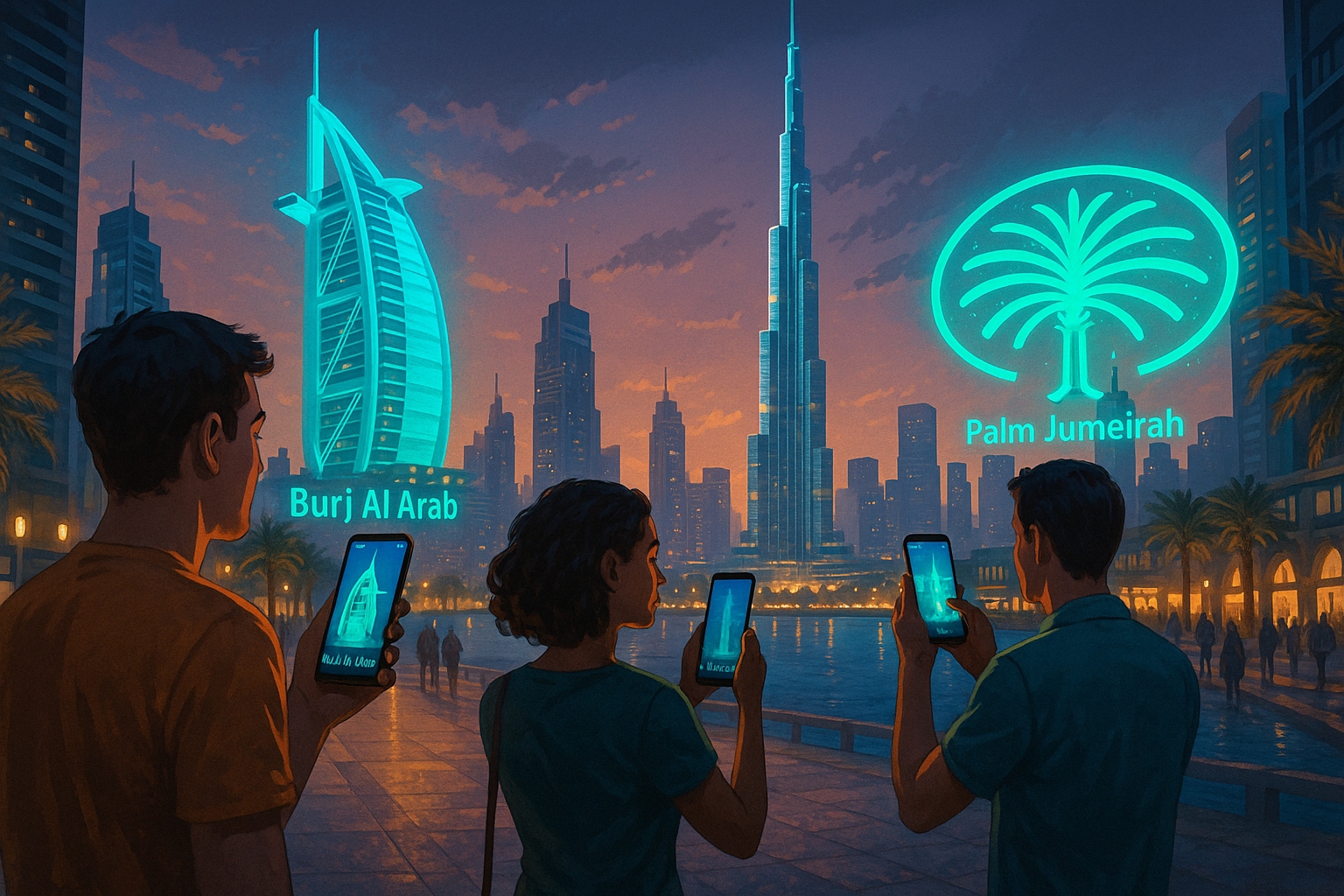
If you still think AR is “early,” you are not looking at the right dashboards. The proof that it is already happening is in plain sight.
Snapchat has around 300 million people using AR-powered lenses every day, and brands are paying real money to be part of those moments. That is not a campaign. That is a daily habit at planetary scale.
IKEA Place lets people drop sofas and tables into their living rooms before they ever visit a store. It quietly boosts online conversions by killing doubt. Will this thing fit? Will it look ridiculous? Do I actually like it when it is in my space? AR answers that in seconds.
L’Oréal’s virtual try-ons are tripling conversion because customers see products on their own faces, in their own bathrooms, in their own light. That is not a “filter.” That is a conversion engine disguised as a mirror.
Google Maps Live View shows what ambient AR looks like when it simply helps you move through the world, rather than screaming for clicks. Instead of staring at a blue dot on a flat map, you see arrows and overlays on the actual street in front of you. That is an interface shift, not a gadget feature.
Festivals like Coachella and brands like Pepsi and Adidas are already running large-scale AR experiences using browser-based WebAR, often powered by Niantic’s 8th Wall. No apps. No downloads. Just reality plus a digital layer of story, commerce, and data.
You can ignore that if you want. Your competitors will not.
AR As The Operating System for Reality
The real upside sits in the software layer. AR is not just a hardware story; it is an operating system for reality. The AR software stack will power retail, healthcare, training, manufacturing, entertainment, and advertising in ways that make today’s social feeds look primitive and flat.
In retail, brands like Gucci, L’Oréal, and IKEA are already using Augmented Reality to sell fashion and furniture by letting you try before you buy in your own environment.
In healthcare, tools ranging from vein mapping to remote assistance and guided surgery are using AR to reduce risk and increase precision.
In training and additive manufacturing, companies like Porsche, Boeing, and Siemens are onboarding and upskilling people within AR workflows rather than throwing static manuals and outdated PDFs at them.
In events and advertising, the sky, the stage, and the stadium are turning into
live canvases.
If AR as a whole is heading toward $600 billion by 2030, the software and services riding that wave will be the fattest part of the value chain. The winners will not just be the companies that sell glasses.
The winners will be the companies that own the platforms, the developer ecosystems, the creator tools, and the data that flows through this new layer of reality. That is where the margins will live.
From AR to Ambient Reality and Geospatial AR
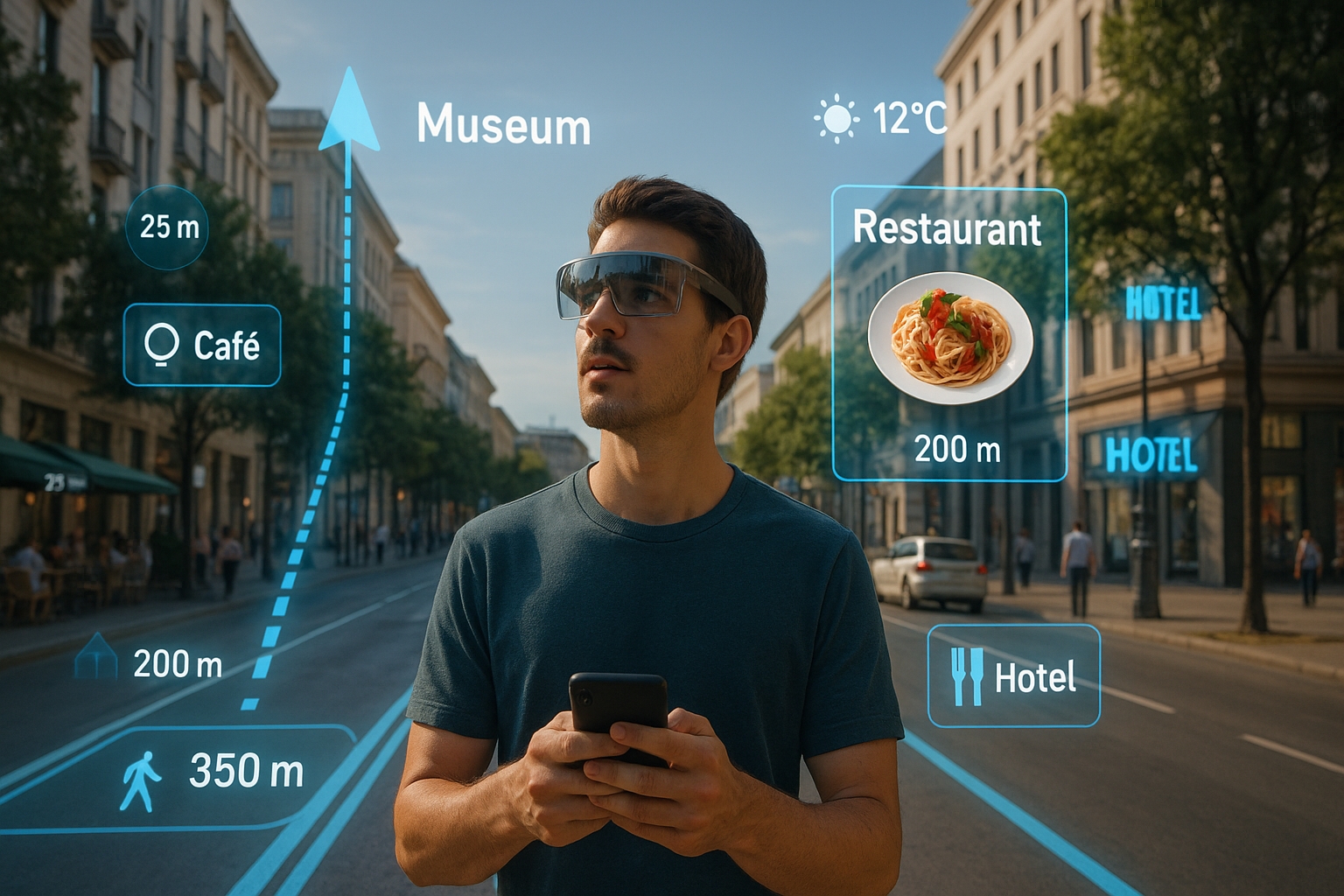
This is not just a tech shift. It is a rewrite of the human interface. AR will not replace your phone. AR will replace your attention. That is why I keep saying the next decade will not just be about augmented reality; it will be about ambient reality.
Your phone will become your fallback interface. Your glasses, your windshield, and eventually even your eyes will feed you a layered reality: contextual, invisible, and always on.
That is where the real battle will be fought. Whoever owns the layer between your eyes and the world will not just own your screen time. They will own your decisions, your defaults, and your daily rituals.
At that point, “user acquisition” becomes “reality acquisition.”
Geospatial AR. Who should care and why?
Geospatial AR turns your destination from a pretty postcard into an operating system. Cities, venues, and resorts become clickable worlds where navigation, stories, offers, and safety are real, not hidden in some dusty app.
In travel and tourism, it kills friction and prints money: instant wayfinding, live translation, culture on demand, and one-tap upsell from “where am I?” to “I just booked it.”
In Meetings, Incentives, Conferences, and Exhibitions (MICE industry), it is the invisible backbone of the event: self-driving conferences with AR wayfinding, dynamic agendas, sponsors exploding off the walls, and networking cues hovering over the right people.
Zoom out and this same geospatial layer will hijack retail, smart cities, logistics, real estate, and defense, anywhere “where you stand” is as powerful as “what you know.”
Pokémon: The World’s Largest Media Franchise
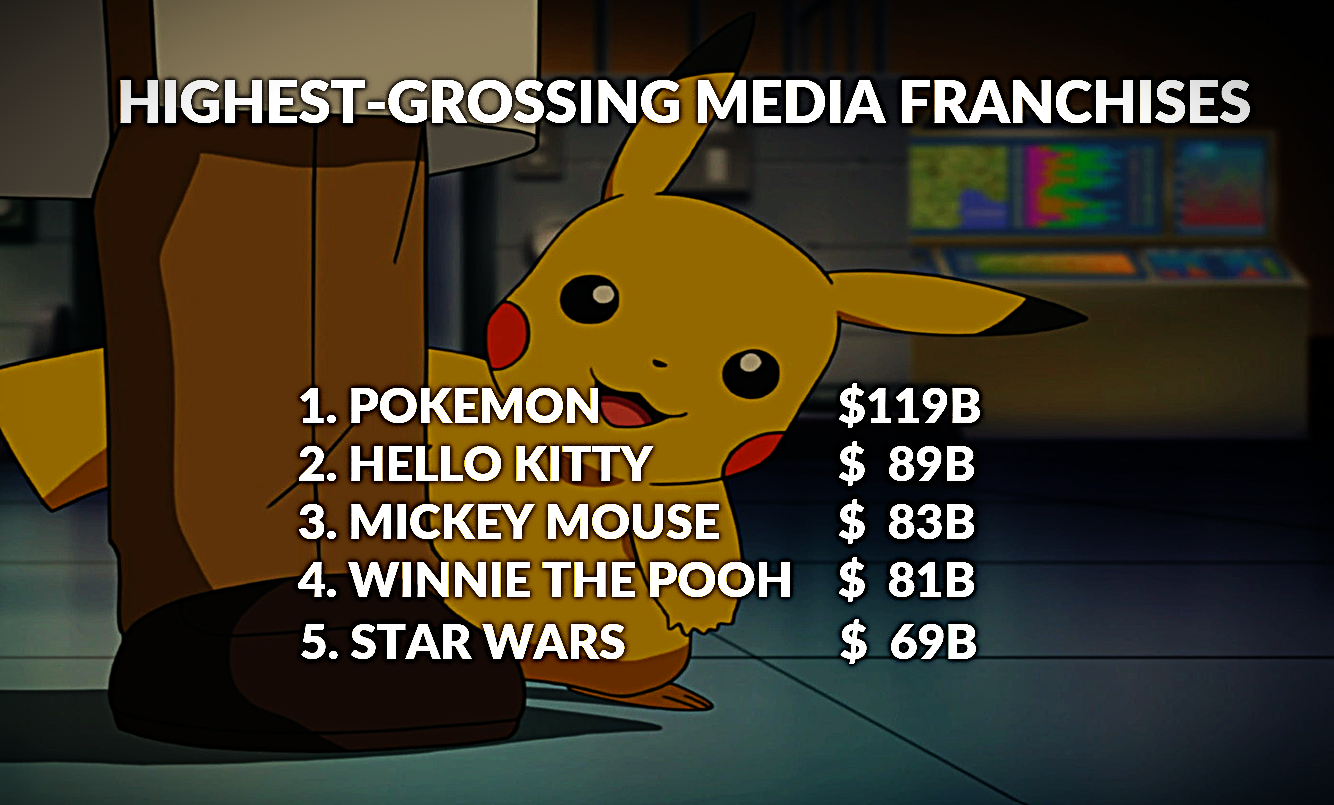
Now rewind to the Augmented Reality case study everybody remembers, but almost nobody truly studies. Pokémon is not just a cute franchise with trading cards and cartoons.
Pokémon has quietly become the highest-grossing media franchise on the planet, and in March 2025, Niantic even sold the entire Pokémon Go games unit to Scopely in a $3.5 billion deal.
That is not fanboy trivia. That is what happens when you layer AR onto a monster IP.
Pokémon Go did not just record data; it ignited a movement.
Launched on 6 July 2016, it reached around 232 million monthly active users (MAUs) at its peak, with about 45 million people playing daily worldwide.
Pokémon Go surpassed 500 million downloads in its first year and exceeded 1 billion by early 2019. Against that reach, it earned over $6.5 billion in lifetime revenue and still pulls in serious money every year.
That is mobile Augmented Reality at its most explosive.
More interesting than the money was the behavior. Millions of people walked miles to catch digital creatures that did not really exist. Strangers met in parks at midnight because their phones told them a rare spawn was nearby.
Can you imagine the possible AR formats for good?
Brands like Starbucks, McDonald’s, and thousands of local businesses captured real-world foot traffic and sales from sponsored locations inside a game. On the Go, Pokémon Go.
Events, digital tie-ins, and weaponized nostalgia kept players coming back long after the usual mobile game hype cycle should have died.
Pokémon Go proved that Augmented Reality cannot be predicted; it must be experienced. It showed executives in media, entertainment, sports, and gaming exactly what it looks like when the real world becomes a programmable canvas.
It was a live prototype of the $600 billion AR market and the $5 trillion metaverse economy.
If a single AR-powered spin-off of a legacy franchise can help justify a multibillion-dollar acquisition, imagine what happens when AR stops being a one-off experiment and becomes the default interface for retail, sports, concerts, theme parks, tourism, and education.
That is the world your next generation of fans will expect by default.
Why I Joined Dubai-based AR Company Augmento?
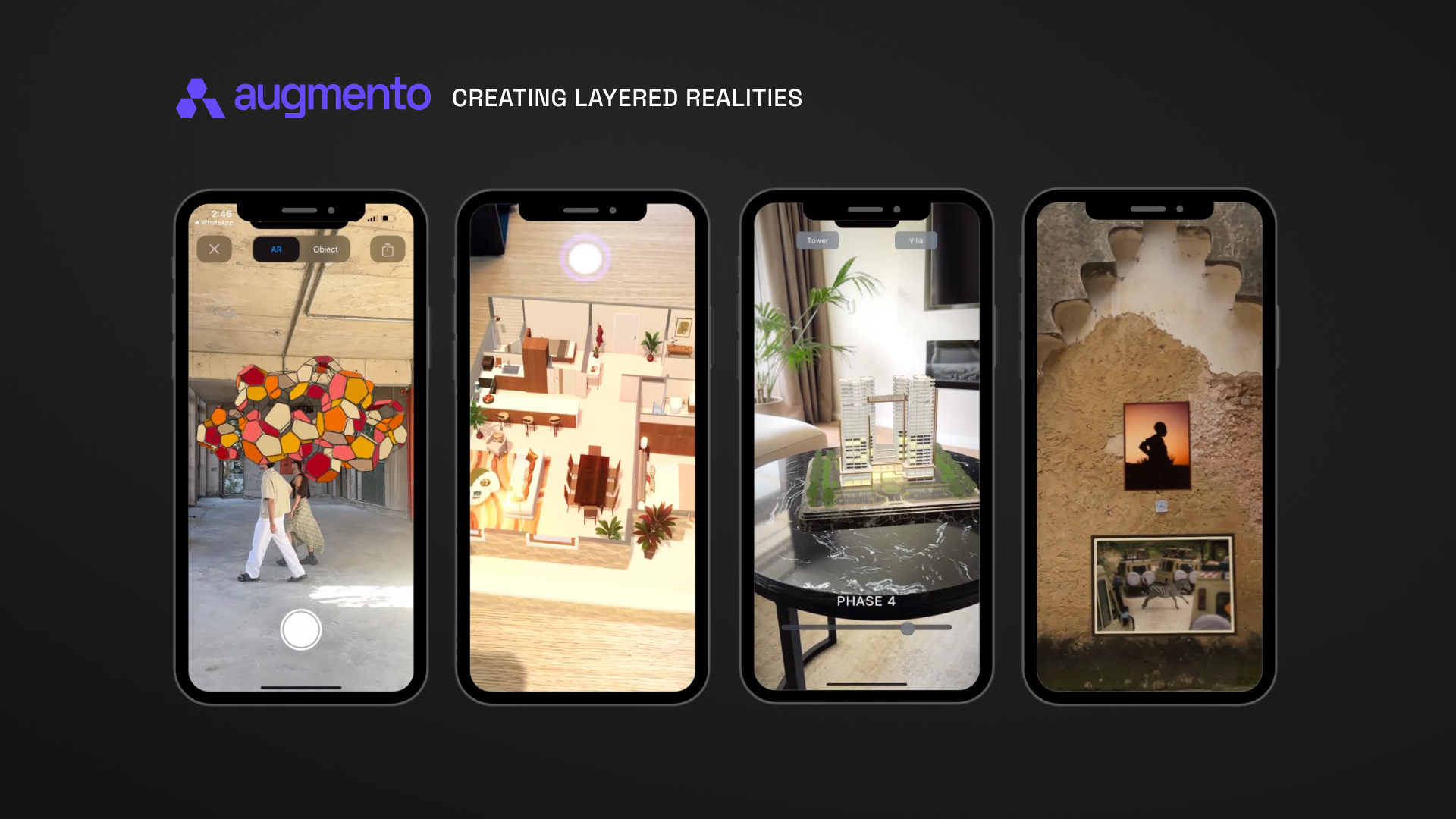
Full disclosure: I recently joined the Advisory Board of Dubai-based AR company Augmento. I said YES for these 3 reasons:
First, I love AR because it is one of the most intuitive and immersive interfaces we have ever seen, and Pokémon Go already proved what happens when you fuse AR with massive global IP.
Second, Augmento and its founders are visionary builders, not hype clowns. They are creating authentic, location-based, branded AR experiences rather than pitch-deck fantasies.
Third, their mission to scale AR toward the $600B market by 2030 aligns with my own forecasts and tech-for-good philosophy. Why? What’s cooking?
Well, I might have an AR format that can crack Pokémon Go. Not commercially but philanthropically. In clear, Math Man objectives: I would love to scale AR and help 500 million people.
I have captured my AI for Good dream. Now it is time to realize my long-imagined dream of AR for humanity. Can anyone help me realize that dream? Yup, it is Augmento.
Dreams, data, decisions. Long-term strategic vision and knowing your why? It makes the matchmaking process smooth, people!
You can read the story in the official Augmento press release and explore how they immerse festivals, clubs, and events.
Final Takeaway
So, when you hear, “AR will hit $600 billion by 2030,” understand one thing. I am being conservative.
Smart glasses will not kill smartphones. Ambient reality will kill the screen.
And when that happens, the $5 trillion metaverse forecast will feel cheap.
Augmented Reality: Go big, go niche, or go home!
Related Links
From us:
Gaming, eSports: Coin the Trends (YouTube Short)
Robots, AI & 3D Printing in Real Estate (YouTube Short)
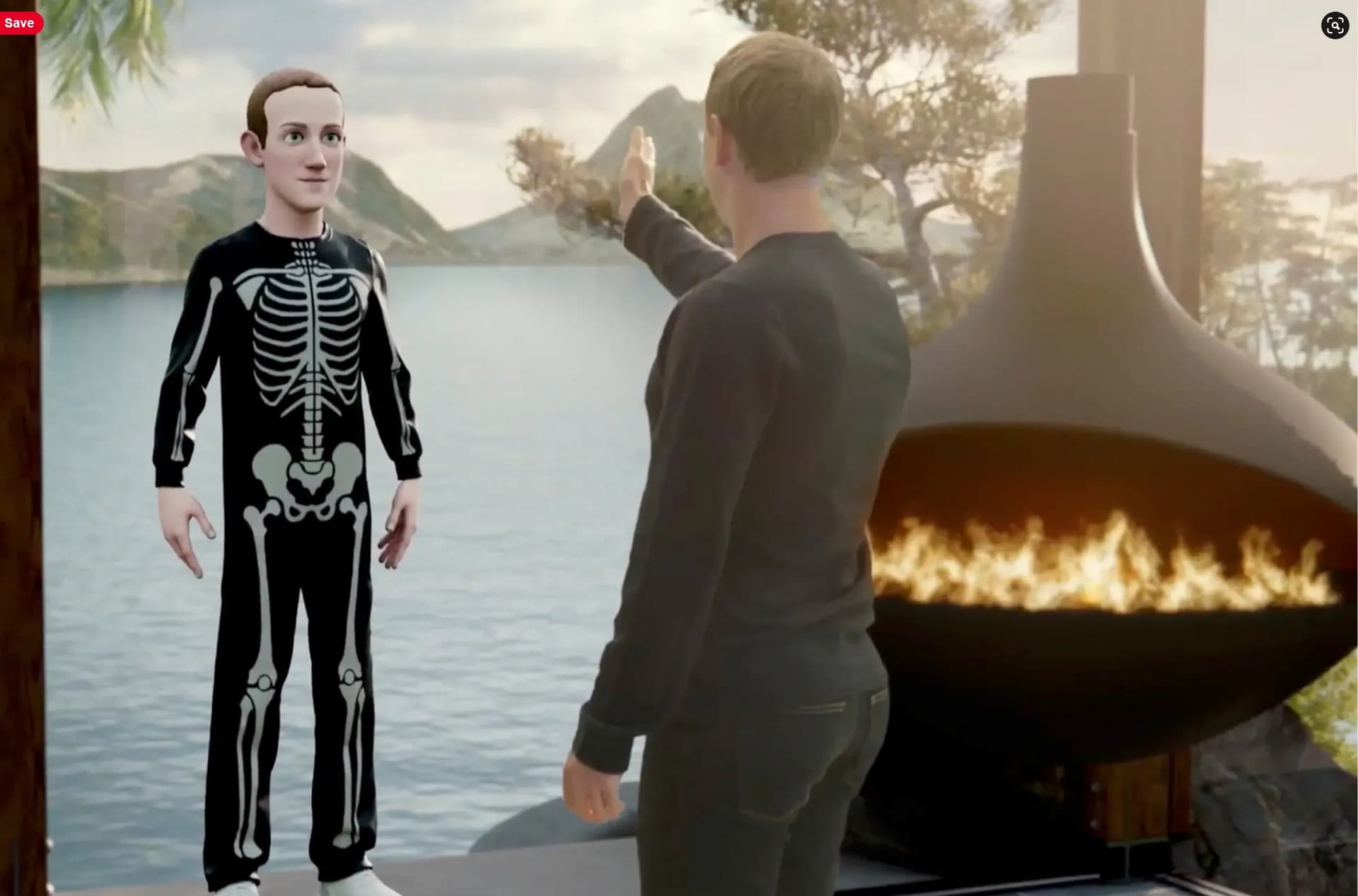
Why Facebook’s Meta Is a Mega Misstep by Mark Zuckerberg
From others:
McKinsey: Value Creation in the Metaverse
Grand View Research: Augmented Reality Market Size, Share and Trends Report 2030
TechCrunch: Pokémon GO Maker Niantic Sells Its Games Division to Scopely for $3.5B
Get Access To My Uncensored Voice of Reason

We all know that the MSM is full of propaganda and bribed journalism. Big Tech makes it even worse with its content censoring, fake fact-checkers, and fading social channels to black.
Should I add how toxic social media platforms push fans on lease, walled gardens, and squeeze artists like lemons?
More marketing innovation strategies and tech trends in my uncensored, free monthly newsletter.
Join our WhatsApp for your daily dose of truths and trends.
Turn our Secret Vault into your secret weapon. Unlock 2,500+ links, reports, stories, curated by my team and me, including AI, AR, MarTech, and tech reports.
About the Author
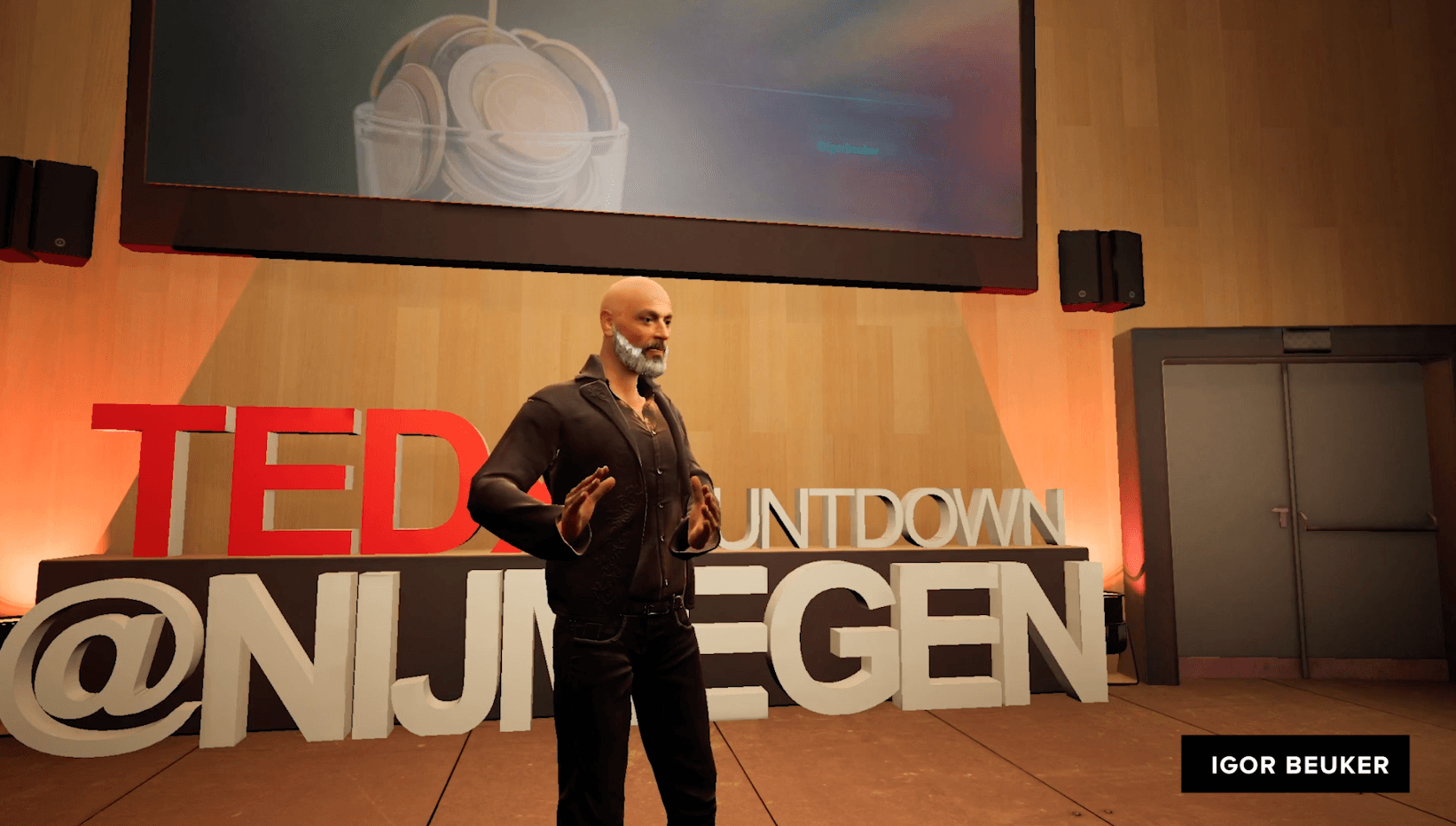
In the spotlights, Igor Beuker is a top marketing innovation keynote speaker and futurist known for his foresight on trends and technologies that impact business, economy, and society. Behind the scenes, a serial entrepreneur with 5 exits and an angel investor in 24 social startups. Board member at next-level media firms, changemaker at Rolling Stone Culture Council, Hollywood sci-fi think tank pioneer, award-winning marketing strategist for Amazon, L’Oréal, Nike, and a seer for Fortune 500s, cities, and countries.
Foresight is better shared. Pass it on.