BEAUTY INDUSTRY 2030
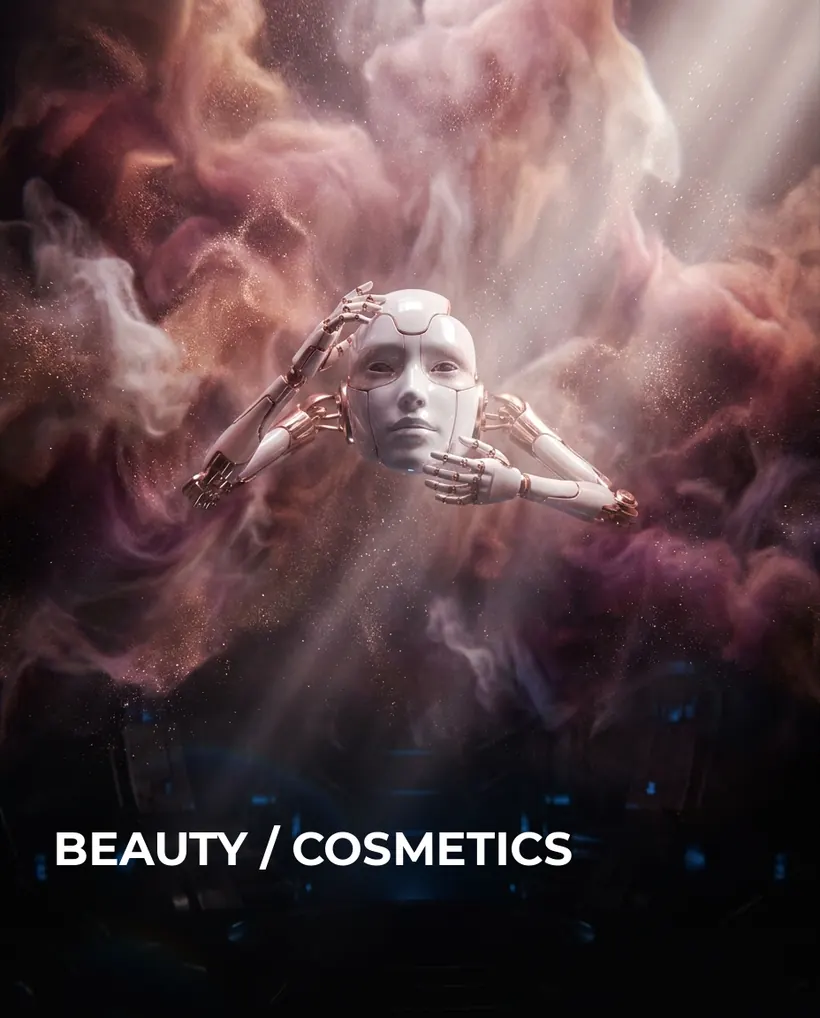
Beauty tech hits $250b. Your face becomes the interface.
Key figures
Beauty tech (AI skin scans, shade matching, devices, apps): $66 billion in 2024.
Consensus $173 billion by 2030.
My bull call: $250 billion.
Core beauty (skincare, makeup, fragrance, haircare) by 2030: $590 billion, 5% a year, the benchmark.
Adjacent beauty (injectables, sun care, supplements, spas, grooming): another $820 billion.
Beauty sold online: 21% in 2022, consensus 30%+ by 2030.
Beauty is not longevity. It sells how you look and how you present. Skincare, makeup, fragrance and haircare are a $590 billion market by 2030, with another $820 billion around it in injectables, sun care, supplements, spas and grooming.
Why people buy it: the phone. Every day starts with a camera, and the face on the screen is the product. Teenagers buy skincare early, and GLP-1 facial-volume anxiety may send new customers to injectors.
Sellers say personalization. The tape says beauty tech, AI skin scans, shade matching and devices, is $66 billion today. Consensus beauty tech grows more than 3x faster than core beauty. My call needs 5x. L'Oréal buys it, Puig outgrows the market on it, Korea mints unicorns on it. I called beauty subscriptions in 2015, when Sephora shipped its first box.
My bull call: beauty tech hits $250 billion by 2030, against the analysts' $173 billion. Your phone reads your skin, matches your shade and orders the formula. The next big beauty brand does not sell serum. It knows your skin better than the counter ever did.
The warning: a quiz, a beige bottle and your first name on the label are not science. Your face is personal data. When beauty AI uses it to identify you, Europe treats it as specially protected biometric data. The winners prove their products work, protect the face data, and deliver results people can see.
Beauty does not make you younger. It makes you look more like the version of yourself you want the world to meet.