Gen Z Needs a Sensei | Can You Be a Mr. Miyagi or Mr. Han?
People, Gen Z, need our help. They have anxiety, identity issues, stress, telephobia, and depression. IQ scores are reversing for the first time in 100 years. A generation raised on glass is cracking. Futurist Igor Beuker makes the case for why true misfits pay it forward. Can you be the sensei Gen Z needs so badly now?
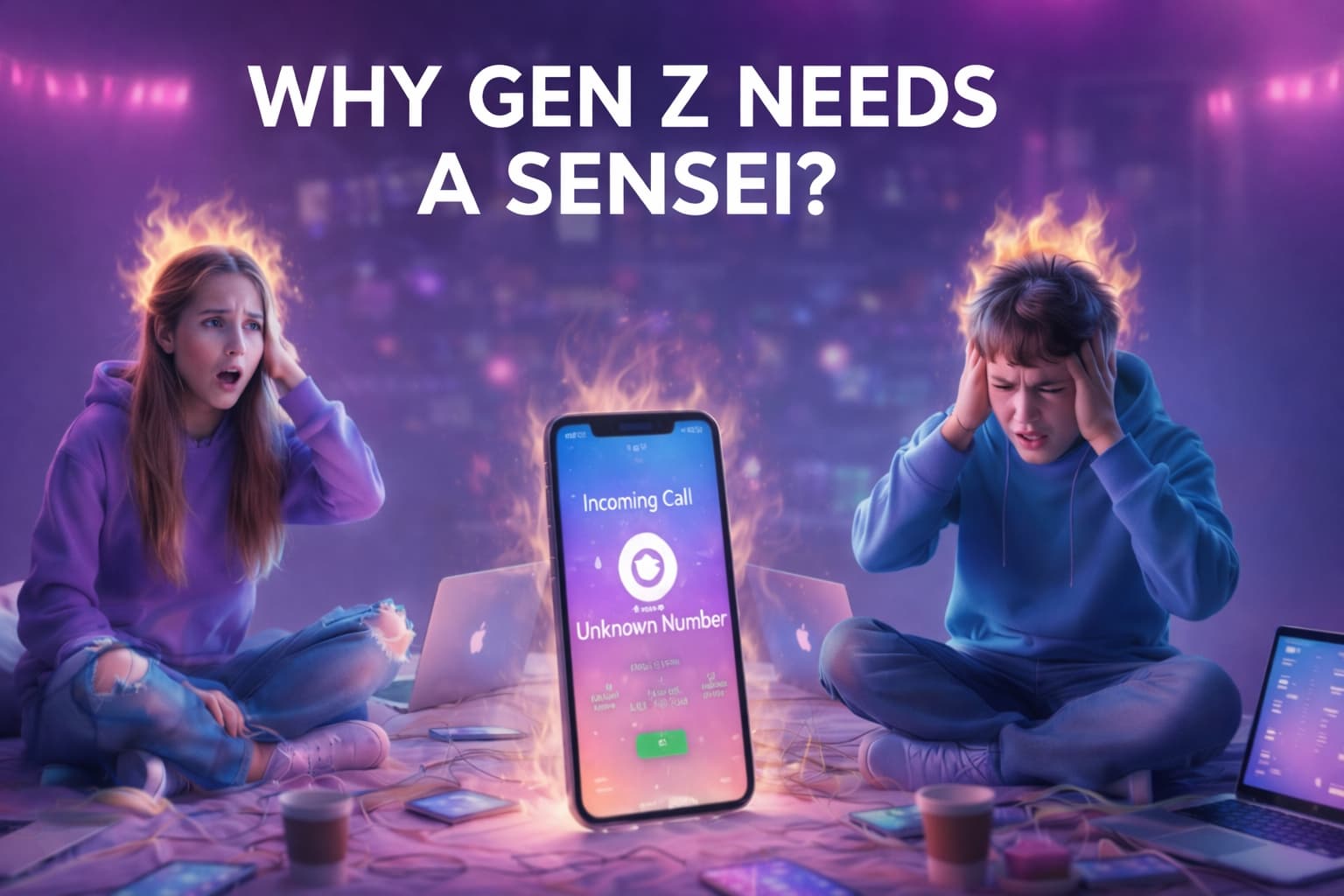
Gen Z does not need another influencer. It needs a sensei. A Mr. Miyagi or a Mr. Han.
Because behind the filters, followers, and fake confidence, too many young people are struggling. What is really going on, and why does Gen Z need your help?
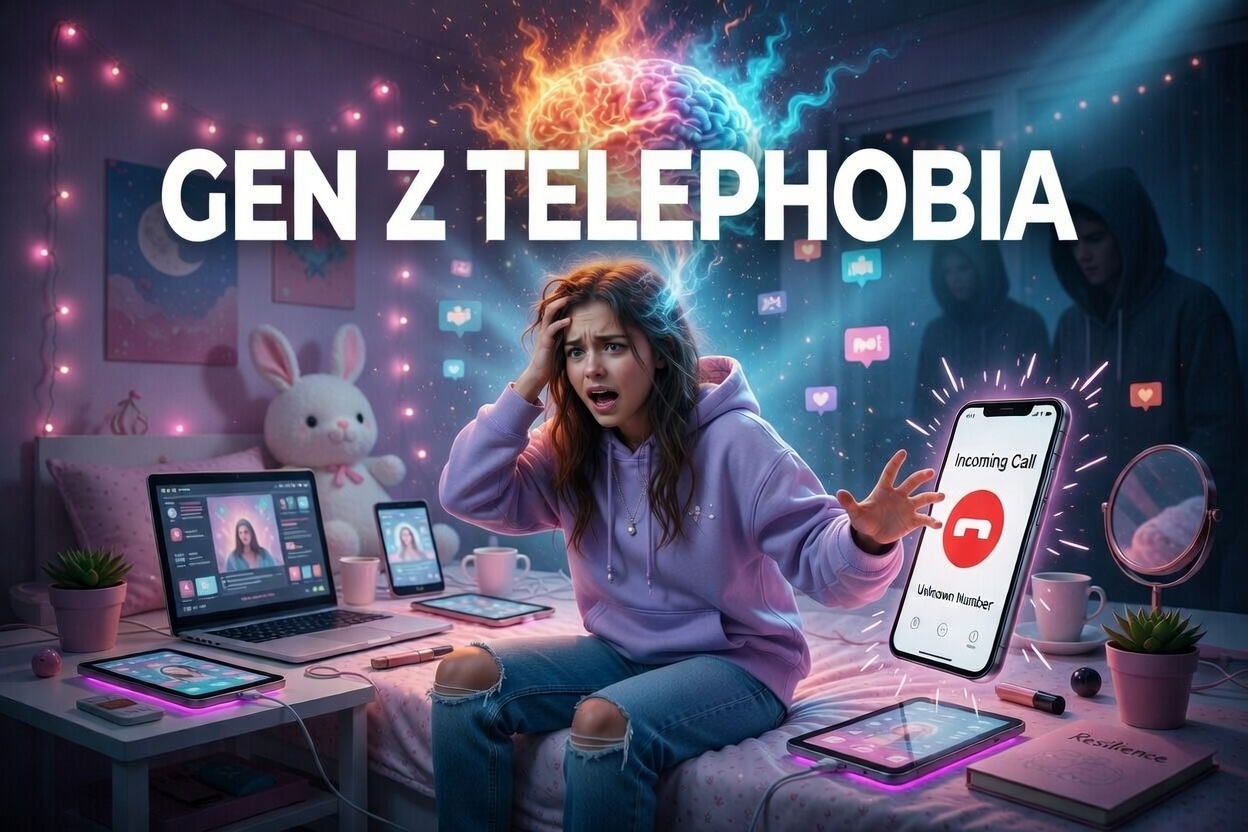
Anxiety is rising. Stress is climbing. Loneliness is spreading. More young people are becoming NEETs: not in education, employment, or training. Many fear phone calls, real-world conflict, rejection, and uncertainty.
This is a generation raised on screens, shaped by algorithms, and taught to perform instead of grow. They can edit a video in seconds, but many struggle to build resilience, relationships, and real confidence.
Why should leaders, parents, teachers, and CEOs care? Because Gen Z is the future workforce, future consumer, and future builder of society. If they break, the future pays the price.
Gen Z does not need more noise. It needs guidance. It needs role models. It needs mentors.
It needs a sensei.
Why is Gen Z Facing a Mental Health Crisis? Anxiety, Stress, and Depression
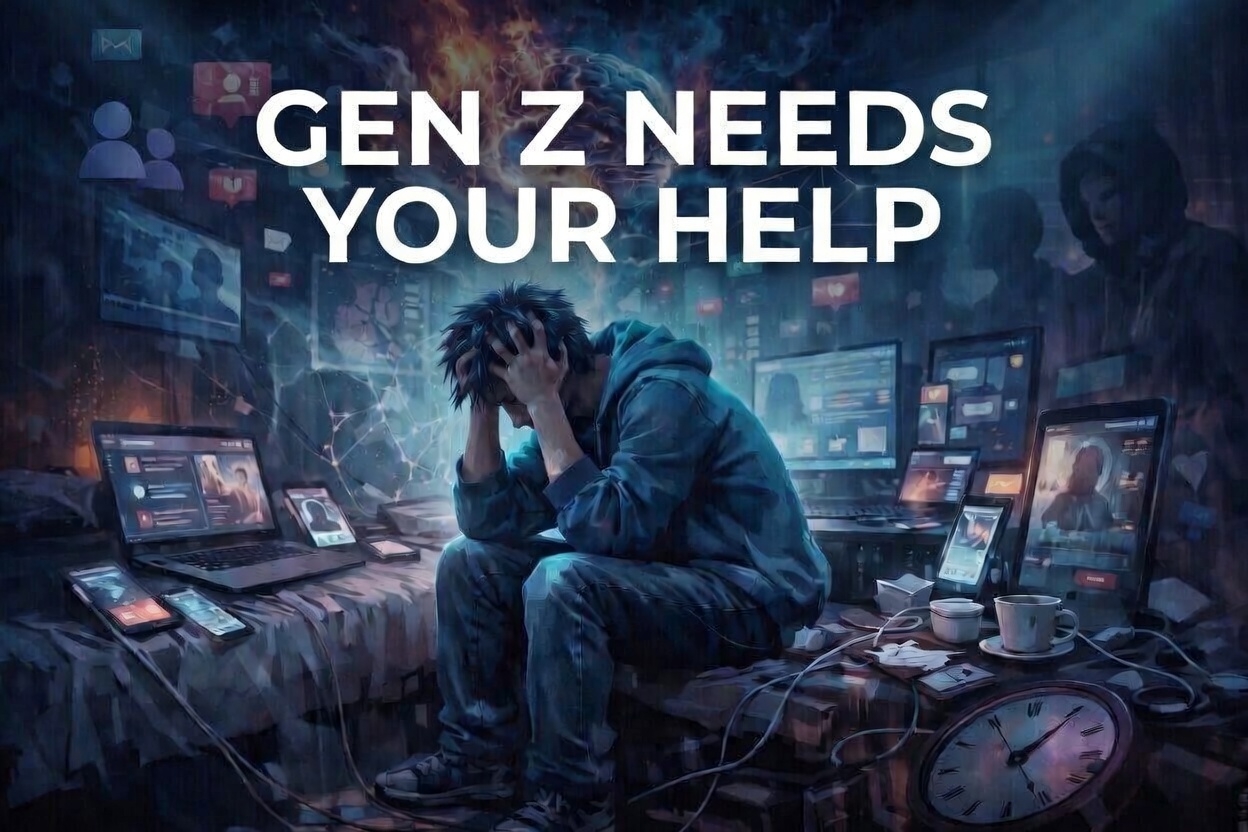
I share stages and task forces with the world's leading psychologists, sociologists, and anthropologists. Their recent research shocked me. Here is what they showed me.
1. Mental health collapse. 46% of Gen Z carry a formal mental health diagnosis. Those reporting excellent mental health dropped from 37% to just 23% in 6 years. That is not a trend. That is a freefall.
2. Anxiety as default state. Anxiety is not occasional for Gen Z. It is their baseline operating system. It drives every decision, governs every social interaction, and shapes every career choice.
3. Depression surge. Rates of clinical depression are climbing sharply. 36% sought professional help in a single year. Demand vastly outstrips supply. Most never get the help they need.
4. Cognitive decline. Gen Z is the first generation to score lower on intelligence tests than their parents. A leading neuroscientist links this directly to screen time and passive consumption. The Flynn Effect, 100 years of rising IQ scores, has reversed. Let that sink in.
5. Short-form video is killing the brain. A meta-analysis of 98,000 people links TikTok and Instagram Reels directly to poorer cognitive performance, attention deficits, and loss of inhibitory control. The dopamine loop is not accidental. It is engineered.
6. Algorithmic toxicity normalization. Recommender algorithms do not just show content. They normalize what they repeat. Toxic behavior, extreme body standards, and dangerous ideologies become background noise, then baseline expectations, then identity.
7. Telephobia. Gen Z is so conditioned to interfaces like Snap, TikTok, and WhatsApp that they wet their pants when it comes to face-to-face. Live, real-time conversations trigger genuine anxiety. 1 college launched an actual course to teach students how to use a phone. A phone. This is a communication collapse with direct consequences in every workplace on earth.
8. Platform exploitation of children. Court filings allege Meta knowingly tolerated harms to teens, hid internal research showing Instagram damaged girls' self-image, and prioritized growth over user safety. Big Tech built the trap. Kids walked in.
9. Influencer gaslighting. Influencer culture warps identity formation. Teens build their self-concept by comparing themselves to algorithmically curated, heavily filtered, often dishonest content creators. The result is identity fragility, authenticity collapse, and a group that does not know who they actually are.
10. Role model vacuum. Today's influencers have replaced coaches, mentors, teachers, and parents as primary role models, without the accountability, ethics, or long-term investment those roles demand. The blind are leading the blind, and charging a subscription for it.
11. Influencers as role models. Andrew Tate sells young men Bugattis, bling, and the idea that dominance is destiny. OnlyFans girls sell young women the idea that their bodies are their business. Both are getting rich on broken morals and zero values. And Gen Z is paying the price with their identity, their mental health, and their future.
12. Validation addiction. Simon Sinek identifies validation addiction as a core Gen Z pathology. The dopamine hit of likes has replaced real-world confidence-building. Self-esteem is now outsourced to an algorithm that does not care if you live or die.
13. Gen Z fired at alarming rates. Managers are firing Gen Z at unprecedented levels, citing a lack of professional communication skills, inability to handle feedback, poor punctuality, and entitlement behaviors. Many of these are real problems, not generational bias.
14. The NEET crisis. A growing number of Gen Z women and men are falling completely out of the system. Not unemployed while searching. Disengaged entirely. Anxiety, burnout, social withdrawal, and broken confidence are the drivers. Society is losing them in silence.
15. Impatience culture. Gen Z expects rapid results without the patience for compounding effort. Career development, relationships, and skills all require time. Their dopamine conditioning makes that wait feel unbearable. So they quit. Again and again.
16. Fast fashion and environmental nihilism. Social media drives an algorithmic fast fashion cycle that is ecologically catastrophic. Gen Z is simultaneously the most eco-aware generation and a heavy consumer of fast fashion. The disconnect between stated values and actual behavior is shocking.
17. The empathy gap. Both Sinek and Brown flag a measurable decline in empathy. Screen-mediated relationships and the absence of real-world friction erode the neurological empathy circuitry. You do not build empathy on TikTok.
18. Societal unpreparedness. Gen Z was handed a smartphone at 10, social media at 12, a pandemic at 16, and an AI disruption at 20. Schools did not adapt. Parents did not know what they were dealing with. Governments are now scrambling. Australia banned social media for under-16s with A$50M fines. Too late for millions already shaped by it.
Why is Gen Z Rejecting Corporate Work Culture? Who Should Help: Parents, Schools, Employers, or …
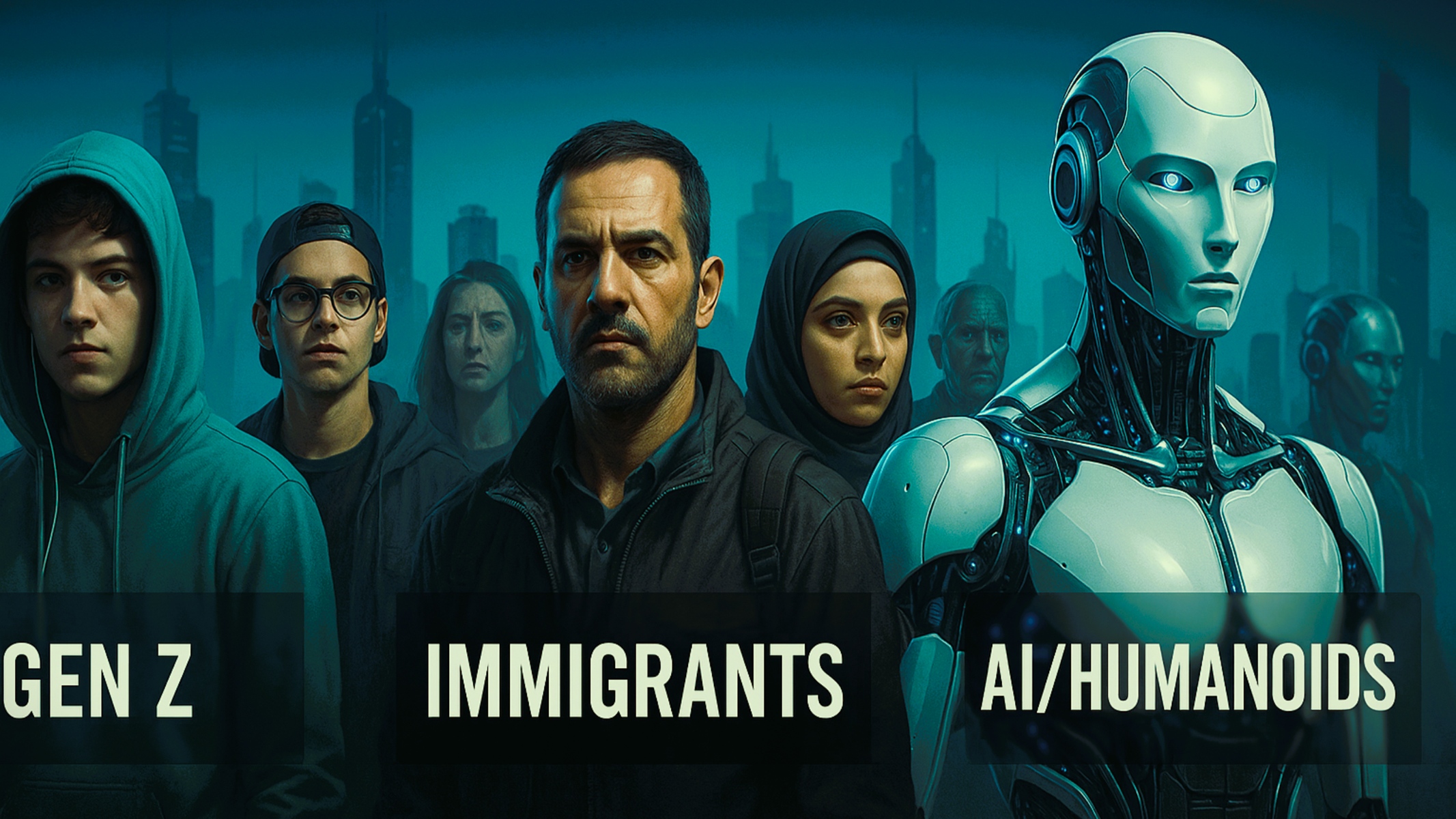
We can blame Gen Z. We can call them lazy, fragile, entitled, and addicted to their phones. That would be very easy. It would also be very lame.
Because if we look at this with even a shred of empathy and compassion, we see a generation that was set up to struggle. They did not build the algorithms. They did not design the attention economy. They were children when the trap was laid. And the adults in the room looked away.
So who should take responsibility? Have a look at the 4 groups we identified.
Parents handed their children a smartphone at age 10, social media at 12, and called it parenting. Many did not know what they were dealing with. But ignorance is no longer an excuse. The research has been screaming for a decade.
Schools were too busy pushing woke agendas, trans ideology, and hormone blockers to teenagers still searching for their own identity, stripping parents of their sovereignty in the process. Digital literacy, emotional resilience, and critical thinking under algorithmic pressure? None of it was in the curriculum. The dojo was empty when it needed to be full.
Employers complain loudly about Gen Z in the workplace, then do nothing to bridge the gap. You cannot fire your way out of a generational crisis. If they arrive broken, you have 2 choices: send them back or help rebuild them. One of those is leadership.
Society, we, looked away. We were busy. We had podcasts to record, likes to score, and LinkedIn posts to optimize. We told ourselves it was someone else's problem. It was not. It never was.
Who do you think carries the most responsibility? Rank these 4 groups. Tell me in the comments. This conversation matters, and your answer will shape what we build next.
Why Older Generations Struggle to Understand Gen Z?
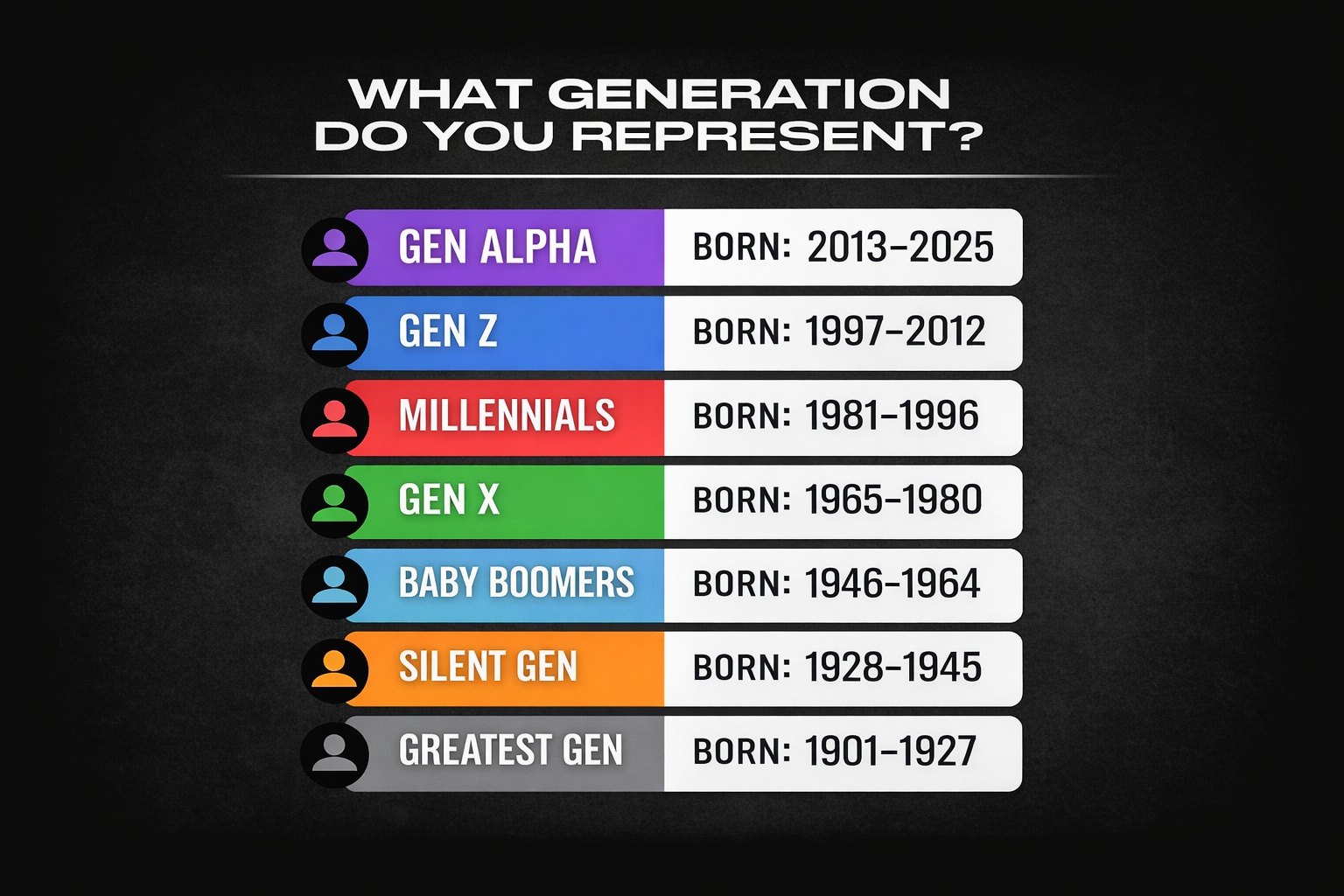
Older generations struggle to understand Gen Z because they judge them through an analog lens. They compare Gen Z’s anxiety, work habits, communication style, and worldview to the world they grew up in. But Gen Z was raised by smartphones, algorithms, social media pressure, and nonstop uncertainty. Different upbringing, different wiring, different behavior.
Magazines, TV networks, social media platforms, advertising firms, and media agencies all use generational charts to understand who they are talking to, what drives them, and how to reach them. Most use it to sell. We use it to help.
Scroll through any conference agenda, any company org chart, or any family WhatsApp group, and you will find them all. Silent Generation grandparents. Boomer CEOs. Gen X managers. Millennial parents. Gen Z employees. Gen Alpha kids. All in the same room, all on different planets.
Understanding who they are, where they come from, and what shaped them is not a nice-to-have. It is the foundation of everything that follows. Because what Gen Z needs so badly is already in that room. They just have not been asked yet.
Gen Z sits sandwiched between Gen Alpha, already deeper in the algorithm than Gen Z ever was, and generations who still remember the analog world. Who remembers boredom? Who remembers figuring things out without a screen? Who remembers what it felt like to meet a real person who changed everything?
That person had a name. In the dojo, we call them sensei.
What's the Difference Between a Coach, a Mentor, and a Sensei?
A coach improves your skills. A mentor shares wisdom. A sensei changes your life. That is the real difference. Coaches improve performance; mentors offer guidance, but a sensei reshapes mindset, discipline, standards, and identity.
Gen Z has access to endless coaches and influencers, yet too few true guides who challenge them to grow.
In my talks, I often explain the power of a sensei. It always lands hard. It is even a chapter in my upcoming book, Misfits: Find Your Sensei.
Below, I will explain the differences between a coach, a mentor, and a sensei, as most people have never had one. And even fewer know what they are missing.
An influencer charges you money to watch them perform success. One to millions. Zero accountability. Algorithm-optimized. Often, the blind lead the blind. The fake sensei industrial complex is one of the most profitable frauds of our era, and Gen Z is its primary victim.
A coach is paid, scheduled, structured, technique-based, and transactional. Valuable. But the relationship often ends when the invoice stops.
A mentor is generous and frequent. Coffee, context, career oxygen. They give time because they see something in you. Mentors are gifts. But even mentors have limits.
A sensei is different. Rare. Sharp. Often unpaid. You do not have a sensei. A sensei chooses you, usually because your work proves you are serious. You ask rarely. You listen always. You earn the next minute by executing on the last.
Here is the brutal irony of Gen Z’s situation. They have more coaches and influencers than any generation in human history, and fewer senseis. The market is flooded with cheap substitutes while the real thing has almost vanished.
Osu, Sensei. In the dojo, that greeting means more than hello. It means: I see you. I respect what you have lived. I am ready to be corrected.
Gen Z was never taught to say it because nobody showed them the dojo.
Find Your Sensei. Why It Changes Everything.
Imagine you have cycling ambitions. Would you like to learn from a fake influencer who read a book about cycling?
Or do you want to learn from someone who finished the Tour de France 5 times?
Exactly. That is a sensei.
Fake it till you make it? Get that clown energy out of my dojo. Work with the best, not with fakers. Find people with a real track record, a proven net worth, and awards that actually mean something.
People who had lived it, failed it, rebuilt it, and won it. Not some LinkedIn guru selling confidence they borrowed from someone else.
I found 3 senseis. They didn't flatter me. They forged me. And I am Gen X, not Gen Z.
Michael J. Moon, Mr. Miyagi, Oakland edition.
When I was CMO at O2 London, chairing the Interactive Advertising Bureau in its launch era, 1997, the wild newborn internet being dragged into professional shape, Moon wasn't just a keynote. He was a rewiring.
He gave me his term "screenagers." I turned it into a signature talk that still sells out rooms today.
He killed my peacocking. Made me stop leading with features and start weaponizing outcomes. His rule: if a 12-year-old cannot repeat it, neither can a CFO.
My story got sharper. My decks got faster. My deals got easier.
Moon showed me the math of meaning. Frictionless story is the cheapest distribution on Earth.
Sir Richard Branson, Mr. Han, barefoot billionaire edition.
By 2027, I will be on my 7th tour to Necker Island. What Branson taught me was not "be fearless." He taught me to build runways for boldness.
"Screw it, let's do it."
Say yes, then engineer the parachute. Brand is the choreography of courage, make it human, make it playful, then make it work. People do not evangelize features. They evangelize feelings.
If Moon honed my story, Branson taught me to invite the world into it.
Sir Martin Sorrell, Sensei in Marketing and Media
In 2003, I quit my job as global CMO. I founded 3 digital marketing agencies across 12 countries.
I built the new marketing agency manifesto, and the global agency networks were lining up to buy it. Why? Our Profit Before Tax (PBT) was 31%. Most agencies? 8% PBT.
In 2008, Sir Martin Sorrell, the founder of NASDAQ-listed WPP, the leading global agency network, and I had a do-or-die meeting in New York City.
The reason for the meeting? Sorrell and WPP were trying to acquire my agencies.
We are in the room. Martin looks at me with that forensic, P&L-powered stare.
"You can sign at Omnicom for $1.5 million more. Why would you sign with us?"
Most founders blink. They hear the number, mentally order the car, the villa, the champagne. I didn't.
"Because you will be my sensei. That $1.5 million less? I am not the penny-wise, pound-foolish type. Fuck the money. In 5 years, you will put $100 million worth of marketing and media masterclasses in my head."
He looked at me. "What is a sensei?"
"You are a Baby Boomer? Then you know the Karate Kid. You know Mr. Miyagi."
Sorrell said, "I don't look like Mr. Miyagi."
I smiled. And I didn’t say a word.
He grabbed his pen and signed my SPAs.
That was the day a misfit kid became a multi-millionaire. Not by chasing the money. By choosing the knowledge.
Osu Sensei.
Sorrell showed me the accounting of ambition. And 3 words changed my life and speaking career forever.
"Igor. Salami tactics."
He referred to my marketing strategies and public speaking. He said, "You are so far ahead of the game; do not shove the entire sausage in at once. CMOs choke this way."
Instead? Slice the salami, serve it on a plate, and they will eat it and beg you for more.
Igor, salami tactics: those 3 words changed my life and speaking career forever.
Moon showed me the math of meaning. Branson showed me the physics of delight. Sorrell showed me the accounting of ambition.
Be aware. Senseis will say no: Sorry, absolutely no time for that. Find somebody else. You might hear NO 5-15 times. Great, resilience starts with rejection.
Keep in mind that senseis are super busy. They are not impressed by another person with a nice idea and a pretty deck.
They need to feel that you will bleed or die for your mission. Show them your purpose. Show them your passion. Show them you are not going anywhere. Persistence is the price of admission. Pay it.
If your sensei loves your pitch on slide 2, run.
If they make you rewrite the opening and reframe the market, bow.
If they send you a quote card for Instagram, block.
Bow to the work. Pick your sensei. Osu.
True Misfits Pay It Forward. How Can You Help Gen Z?
Gen Z does not need more content. They do not need more coaches with Calendly links. They do not need more influencers selling confidence courses that they themselves lack.
They need a sensei.
You do not need a title. You do not need a stage. You need 1 young person, 1 honest conversation, and the willingness to share your scar tissue instead of your highlight reel. You have lived through things Gen Z has never seen. You have failed, rebuilt, recalibrated, and kept going.
That is not nostalgia. That is exactly what they need.
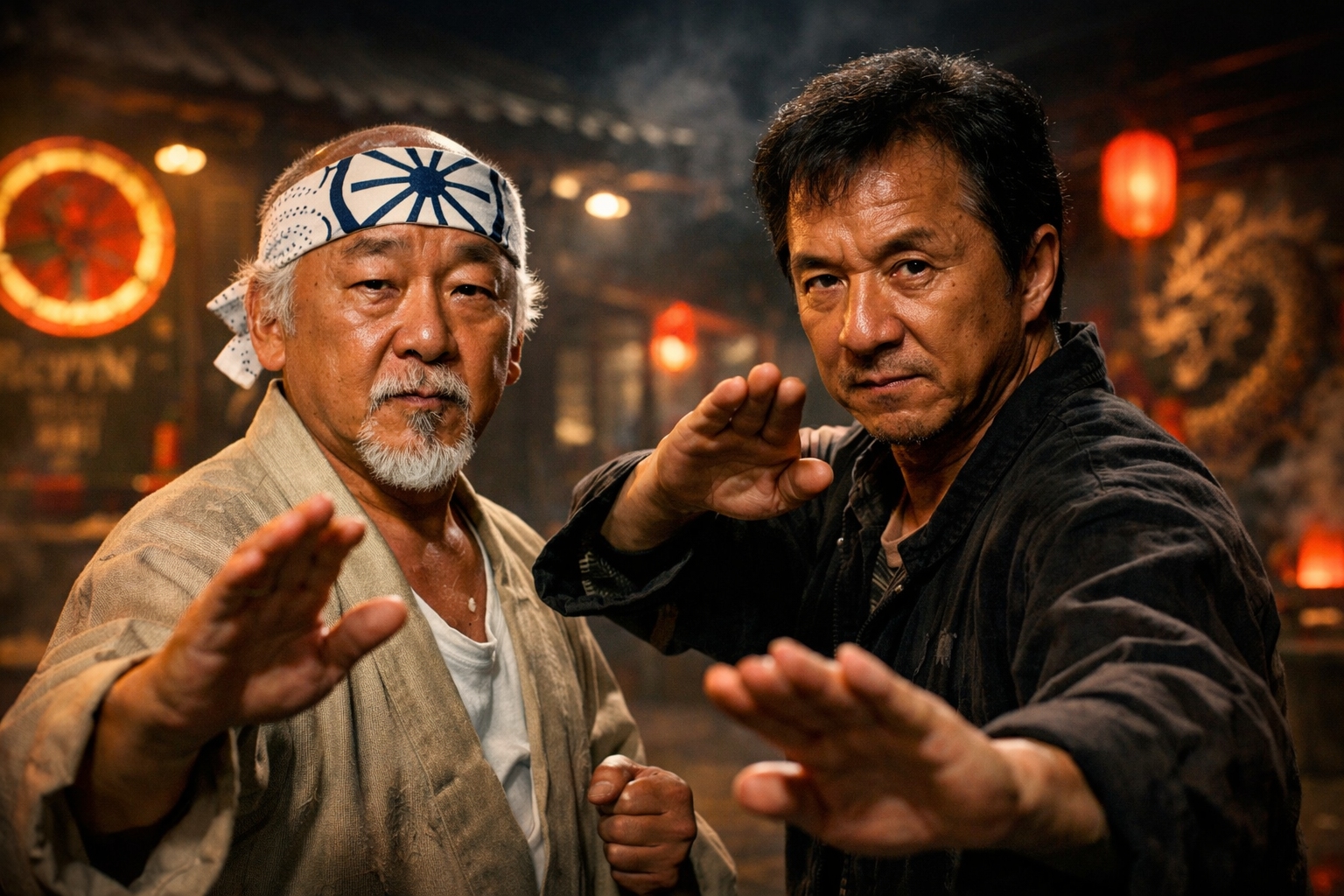
Mr. Miyagi scraped paint and trimmed bonsai, so Daniel learned patience and balance.
Mr. Han taught Jaden that posture is power.
My senseis did the same, but with cap tables, pricing strategy, and press narratives. The bonsai became brands. The balance became a balance sheet.
You do not need to save the entire generation. You need to reach 1 person. That is enough. That is how it works, 1 dojo at a time.
Now you might be thinking: I am busy. How much time does this actually take?
A few calls, Zooms, or meetings a year. Only for crucial decisions. You are not in the dojo 5 days a week. You show up when it matters. That is it.
So why should you be eager to be Mr. Han for Gen Z?
Because you are a misfit; true misfits are on a mission. They push big dreams into action. They spur massive cultural and technological change.
You had help. Now you pay it forward.
Because Gen Z is crucial to creating a brighter future, can you imagine anything more rewarding than that?
Osu Sensei. The dojo is open.
Final Thoughts.
Gen Z did not choose this. They did not ask for spoiling parents, woke schools, predatory algorithms, or Andrew Tate and OnlyFans girls as their role models. They got it all anyway before they were old enough to defend themselves.
We let it happen. Now we fix it.
1 conversation. 1 young person. 1 dojo at a time.
Osu Sensei!
Related Links.
From us:
Keynote Highlight: Hire the Talent for Industry 4.0
Cristiano Ronaldo, Cause Athlete: Mobilizing 1 Billion Fans
Why brands need a Screenager Advisory Board?
My Parental Advice? No Mobile Phones Until 15. Basta!
From our Secret Vault:
State of Gen Z Mental Health 2025 | Harmony Healthcare IT
Large meta-analysis links TikTok and Reels to poorer cognitive health | PsyPost
Gen Z turning its back on AI isn’t irrational, it’s a verdict on everyone who failed them
Bosses are firing Gen Z at alarming rates
Access My Uncensored Voice of Reason
We all know that the MSM is full of propaganda and biased/bribed journalism. How about Big Tech with content censoring, fake fact-checkers, and fading social channels to black?
Join 55K+ fellow misfits in my uncensored, free monthly newsletter.
Join our WhatsApp for your daily dose of truths and trends.
Turn our Secret Vault into your secret weapon. Unlock 3,000+ links, reports, stories, curated by my team and me. Your unfair advantage to wealth and freedom.
About the Author
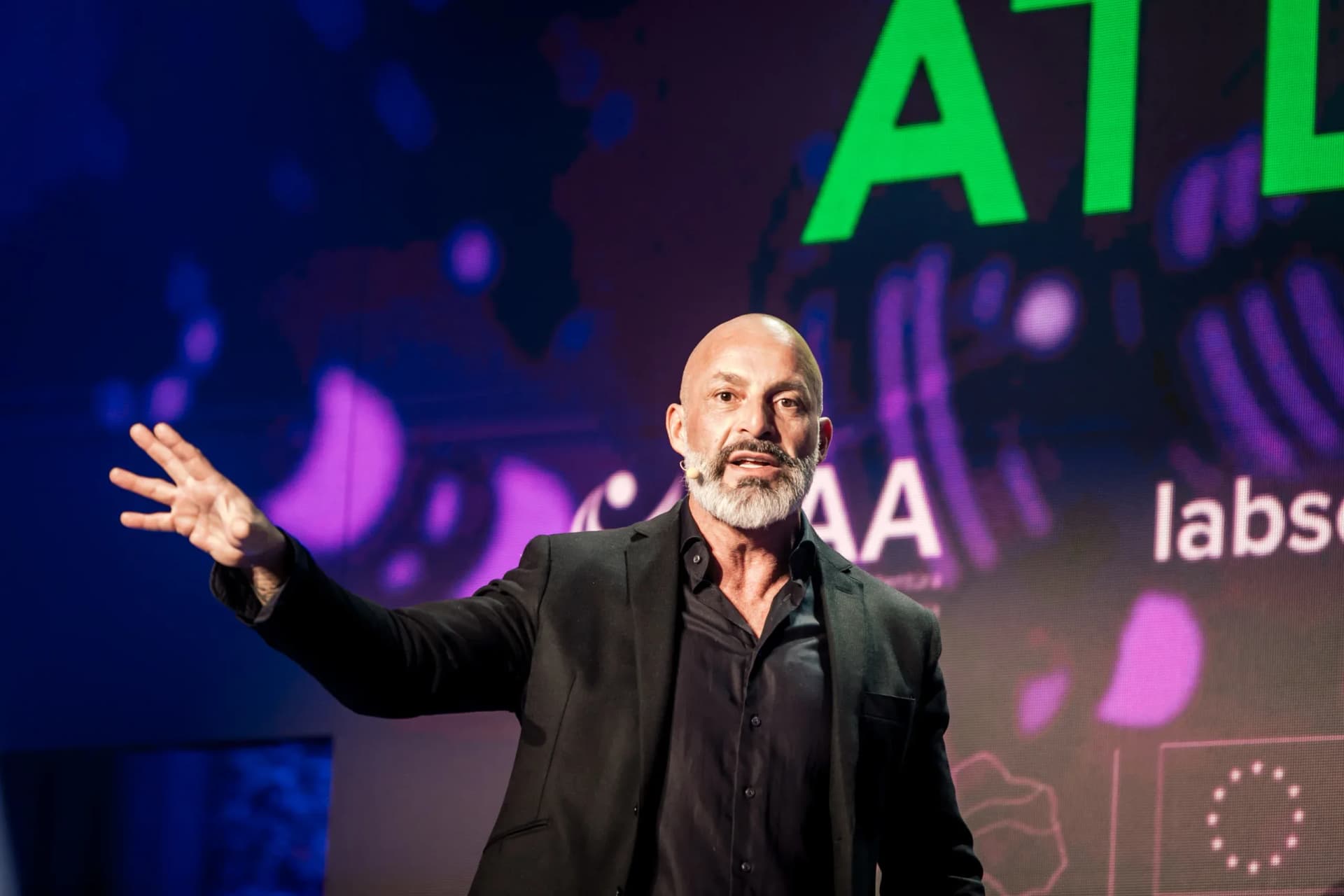
In the spotlights, Igor Beuker is a top marketing innovation keynote speaker and futurist known for his foresight on trends and technologies that impact business, economy, and society. Behind the scenes, a serial entrepreneur with 5 exits and an angel investor in 24 social startups. Board member at next-level media firms, changemaker at Rolling Stone Culture Council, Hollywood sci-fi think tank pioneer, award-winning marketing strategist for Amazon, L’Oréal, Nike, and a seer for Fortune 500s, cities, and countries.
Foresight is better shared. Pass it on.