AI HALLUCINATION 2030
AI hallucinations fall hard by 2030. The next AI war is permission, not accuracy.
Key figures
22% to 94%: hallucination-rate range across 26 leading AI models in Stanford AI Index Report 2026
22%: lowest rate in Stanford's Figure 3.2.6
88% to 50%: Gemini 3.1 Pro's hallucination drop in 1 update, 2026
AI hallucination is when a model gives an incorrect answer instead of admitting uncertainty. The Stanford AI Index Report 2026 shows the problem is still huge. Using Artificial Analysis' AA-Omniscience benchmark, hallucination rates across 26 leading models range from 22% to 94%. Lower is better.
Closed book, no web search, expert questions. With search on, daily error rates are far lower. The exam shows who guesses when he doesn't know.
But hallucination is only half the story.
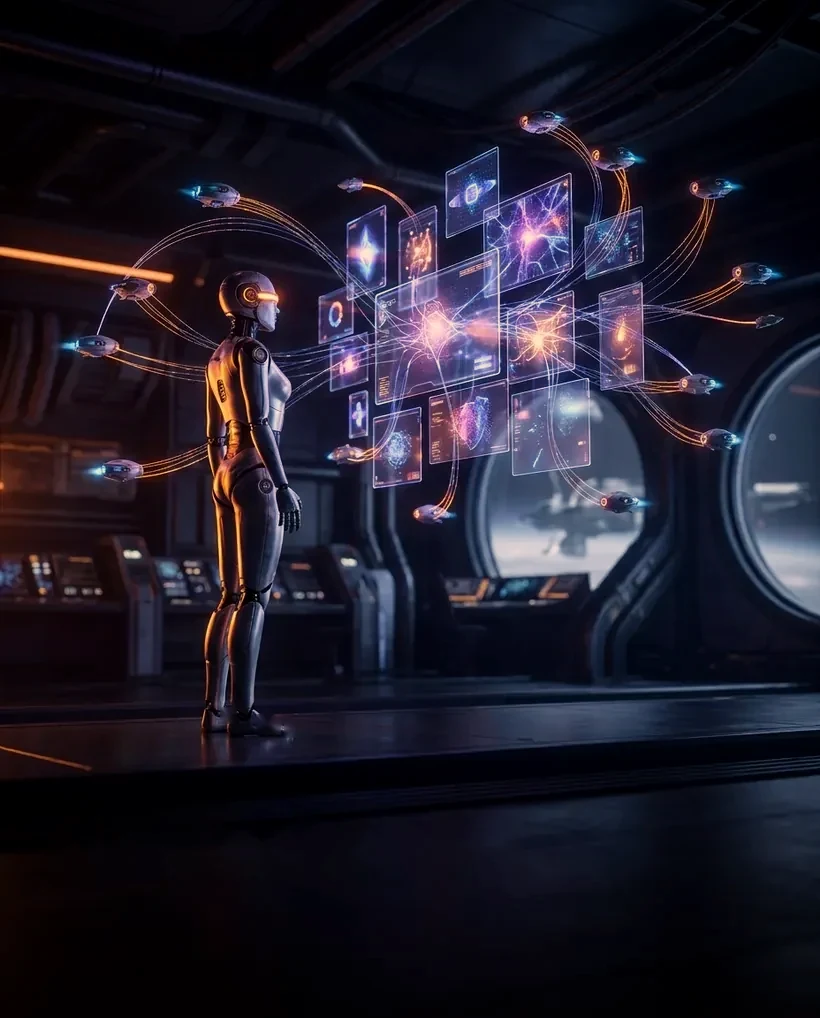
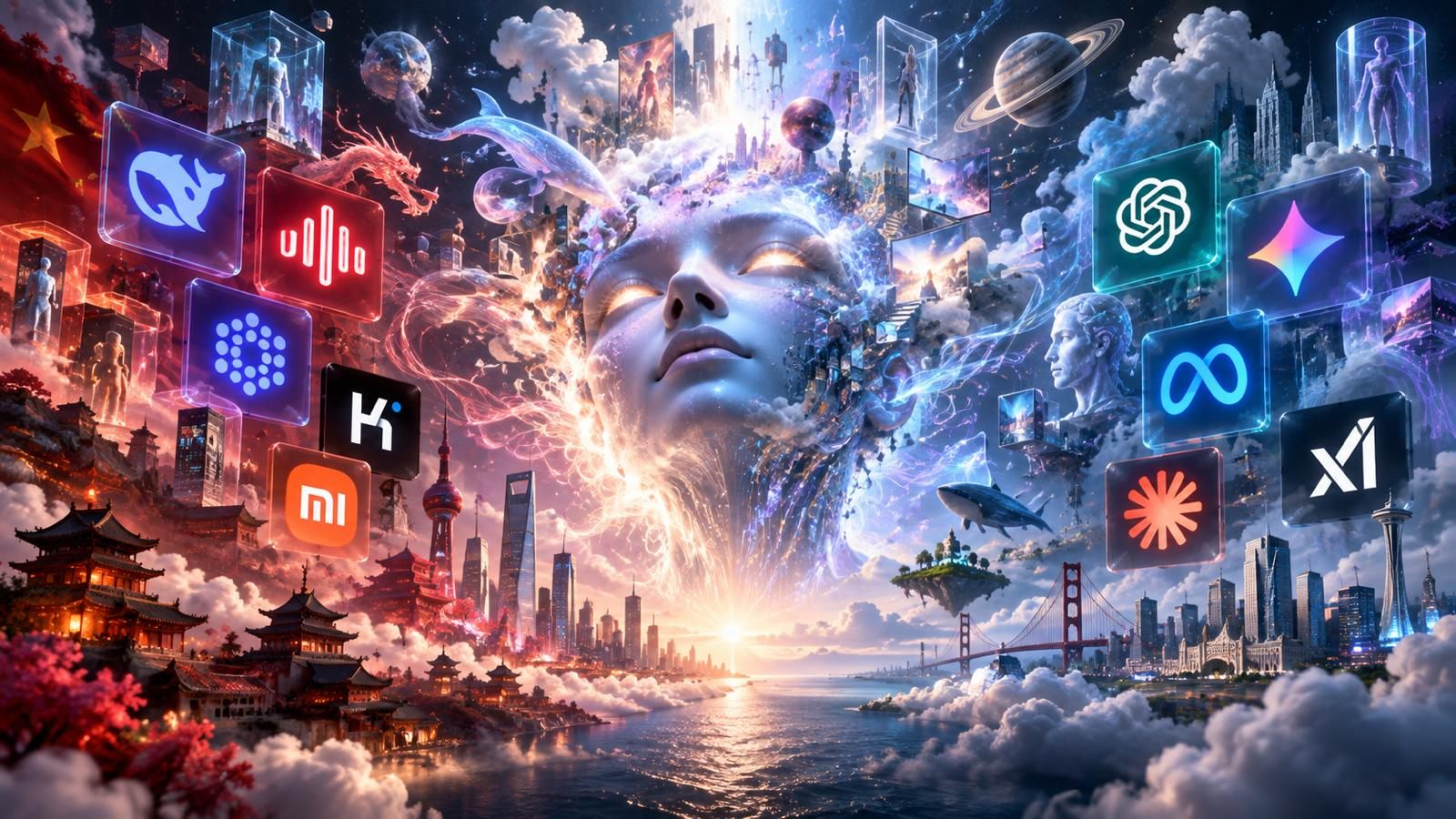
I test Western AI versus Chinese AI in practice: cloning, sextech, humanoids, robo dolls, space travel, futuristic visuals and video.
My experience is clear. Western AI platforms increasingly block legitimate creative work under safety rules, content moderation, liability, and what I call woke AI policies. Some Chinese AI tools let me create things Western systems refuse.
China censors too.
East and West both censor AI. They just censor different things.
China draws harder red lines around state power, political dissent, national unity, and social stability. Western platforms draw harder lines around safety, sexual content, identity, impersonation, liability, and brand policy.
I am independent. No sponsors. No Big Tech payroll. My bias is clear: honesty, human freedom and tech for good.
Then comes what I call token bait and token fraud: systems that waste tokens, over-answer, redirect, or bury users in policy language instead of doing the job.
My prediction: by 2030, AI hallucination rates fall hard. Accuracy becomes expected.
The next AI war is permission.
Creators, entrepreneurs, and futurists will use multiple models across jurisdictions. One for research. One for code. One for images. One for video. One for what another refuses.
By 2030, hallucination becomes a technical problem.
Censorship, permission, and creative freedom become the competitive problem.