What is programmable money in B2B?
Programmable money is money with terms and conditions written into it. It only moves when the rules are met: the goods arrived, the price matches, the contract checks out. Think of a vending machine for business payments. No match, no money. Gartner forecasts that by 2030, 20% of all money moves with rules written in, so an agent can pay another agent when the delivery, the price and the contract check out. The rails are already live. Stablecoins, digital dollars on a blockchain, passed $315 billion in supply in the first quarter of 2026. Coinbase's x402 protocol processed more than 160 million agent payments in the 12 months to June 2026. Visa and Mastercard launched their own agent payment systems in 2025. Why it matters for B2B: no more chasing invoices. Payment lands when the job is done. The warning: a rule written badly pays badly, at machine speed. Finance teams now write rules for code, not just for people. It is the plumbing that lets routine B2B buying go agent-to-agent.
1 related prediction card
 AI AGENTS RUN ROUTINE B2B BUYING: $15 TRILLION+ A YEAR.→
Related blogs
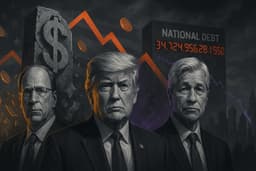 Stablecoins vs America’s $35T Debt: Tokenized Dollars & T-Bills→
Related FAQs
What is the future of money?→What are stablecoins and why did America legalize them?→What will the financial system look like in 2035?→What is programmable money?→Why do stablecoins matter?→How big are stablecoins by 2030?→Your question not here? Ask Igor. Free for all. Unlimited for members, sign up.
Ask Igor