GTA 6 2030
GTA 6 sells 50 million copies in year 1. $15 billion gross revenue by 2030.
Key figures
GTA 6 lifetime gross revenue by 2030: $15 billion (global), more than GTA v generated over its first 13 years.
My call for year 1: 50 million copies and $4 billion gross
Standard price of a new blockbuster game by 2027: $80, up from $70 in 2025 (global)
Global games market by 2030: $250 billion a year, versus roughly $35 billion for cinema box office (global)
Cities with a purpose-built gaming and Esports District by 2030: 5.
Qiddiya in Saudi Arabia is the benchmark, still being built
Gaming and esports contribution to saudi GDP by 2030: about $13 billion and 39,000 jobs (saudi national target)
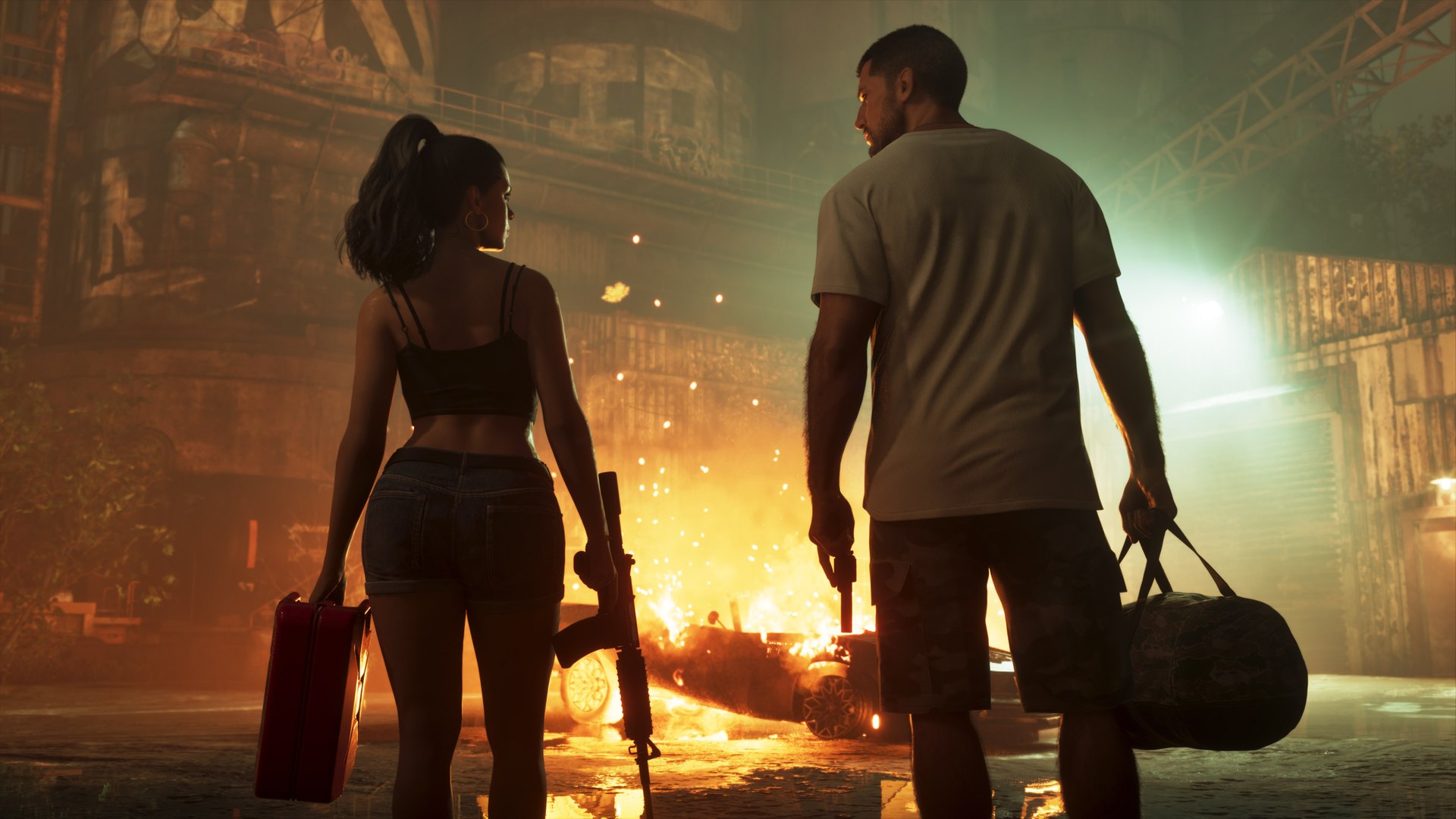
GTA 6 launches 19 November 2026 on PlayStation 5 and Xbox Series X|S. Standard edition: $79.99. No PC version has been announced for launch.
GTA V has sold more than 230 million copies. GTA 6 Trailer 2 generated more than 475 million views in 24 hours across platforms, which Take-Two called the biggest video launch ever at the time.
Nobody outside Rockstar and Take-Two knows GTA 6's real budget. Analysts estimate roughly $1 billion to $1.5 billion. If accurate, it would rank among the most expensive games ever made.
Wall Street cannot agree on sales either. Piper Sandler has modeled roughly 35 million copies by April 2027 and a separate engagement-based scenario around 48 million. DFC projects about 40 million in year 1. Wells Fargo projected 50 million. Konvoy published the monster outlier: 85 million in 60 days.
My prediction stays unchanged: 50 million copies and $4 billion gross in year 1. $15 billion lifetime gross revenue by 2030. 1 billion people watch GTA 6 without buying it. $80 becomes the standard blockbuster game price by the end of 2027. The PC version lands in late 2027.
Gaming is already a $213.9 billion industry in 2026, with 3.7 billion players. Asia-Pacific represents 47% of games revenue. Middle East and Africa is the fastest-growing region at about 10.3%.
Saudi Arabia is building hard. PIF-backed Savvy Games Group launched a roughly $38 billion gaming investment strategy. The $55 billion EA deal was historic, although Microsoft's $68.7 billion Activision Blizzard acquisition remains larger.
Then there is Qiddiya: 360+ km², with a dedicated Gaming & Esports District under development. Saudi Arabia targets roughly $13 billion in gaming and esports GDP contribution and 39,000 jobs by 2030.
My call: by 2030 the global games market reaches $250 billion, and at least 5 cities have purpose-built gaming and esports districts.
Now we wait for the receipts.
Read the full story→