What is spatial computing?
Spatial computing fuses digital information with the physical world through augmented reality, mixed reality, AI, and sensors that map the room around you. I call it the biggest platform shift since the smartphone. Apple built Vision Pro around it, Meta sells Ray-Ban smart glasses by the millions, and Google puts Gemini into eyewear through Android XR. The screen dissolves into the world, and the world becomes the interface. You stop staring into a rectangle and start interacting with data layered onto your environment. I forecast the AR market grows from $42 billion in 2025 to $600 billion by 2030, and I put my own name behind it on the advisory board of Augmento. The next decade of computing is spatial.
Read the related blog posts
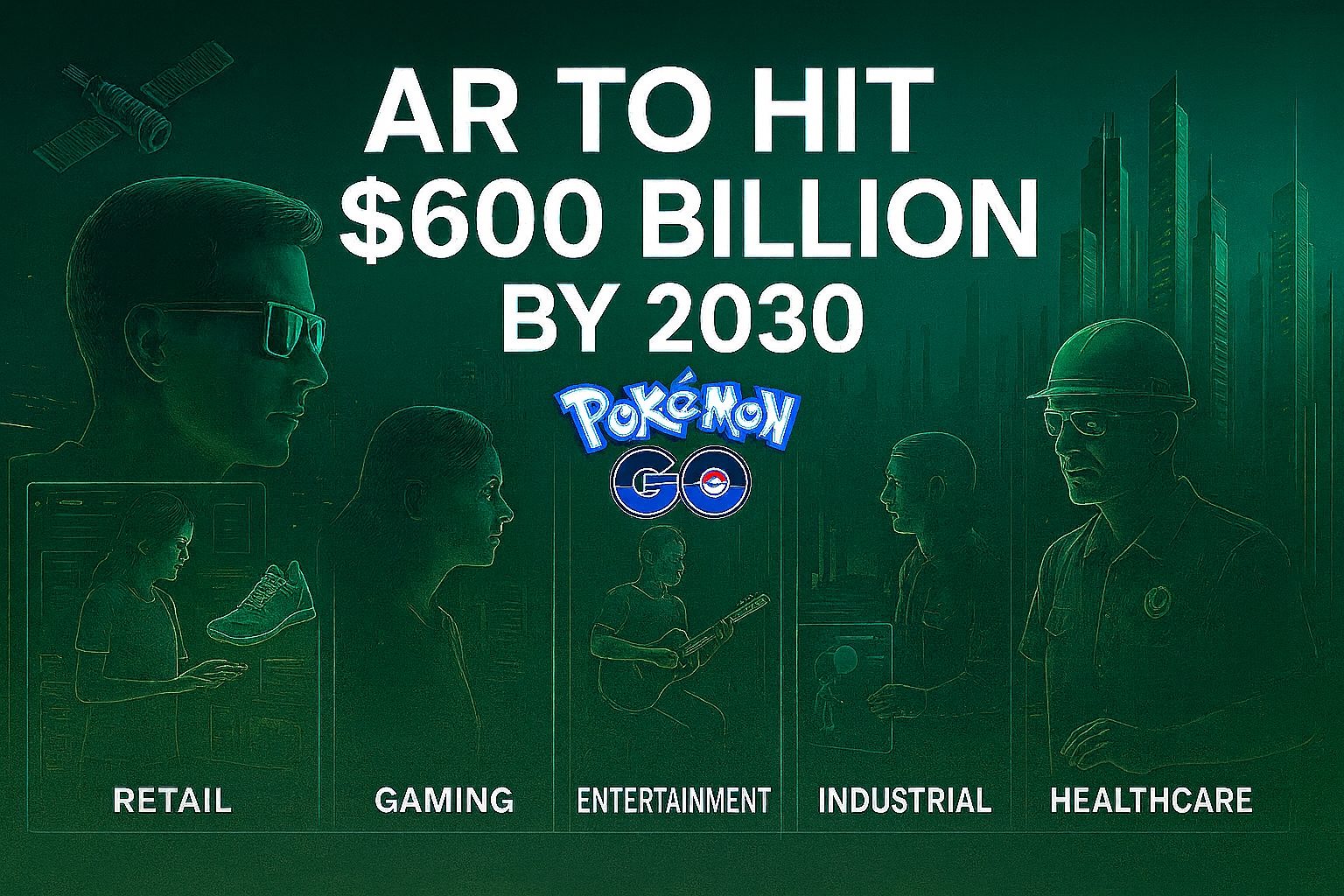 Augmented Reality: AR Market 10x, Hitting $600 Billion by 2030→
3 related prediction cards
 SPATIAL COMPUTING + AUGMENTED INTELLIGENCE: AR'S NEXT LAYER.→
 AR GROWS 14X, FROM $42 BILLION IN 2025 TO $600 BILLION.→
 METAVERSE ECONOMY: $5 TRILLION. DON'T DO IT THE ZUCKERBERG WAY.→
More FAQs about Spatial Computing, AR, and the Metaverse
What is the future of augmented reality?→What is extended reality (XR)?→Is the metaverse dead, or just changing?→What are digital twins and why do they matter?→How big is the AR market by 2030?→What is the difference between AR, spatial computing and augmented intelligence?→Your question not here? Ask Igor. 2 questions, unlimited for Misfits.
Ask Igor