Who owns the data on a robo-farm?
The farmer should, and in the EU the Data Act now gives farmers stronger rights to their machine data. That may become more important than who owns the tractor. A connected farm can generate soil maps, GPS tracks, crop yields, moisture levels, fertilizer use, machine performance, livestock data and plant-by-plant imagery. That data can improve yields. It can also reveal exactly how productive your land is, what you grow, when you harvest and how efficiently your business operates. That is why data ownership is becoming a serious issue in agriculture. The EU Data Act, which started applying in September 2025, gives users of connected products stronger rights to access and share data generated by their equipment. Agriculture is one of the sectors directly affected. Farmers have also raised concerns about privacy, security, platform dependency and losing control over farm-generated data. My principle is simple: use the machine, use the AI, use the software. But do not accidentally give away the brain of your farm. The future farmer needs data sovereignty as much as land ownership.
2 related prediction cards
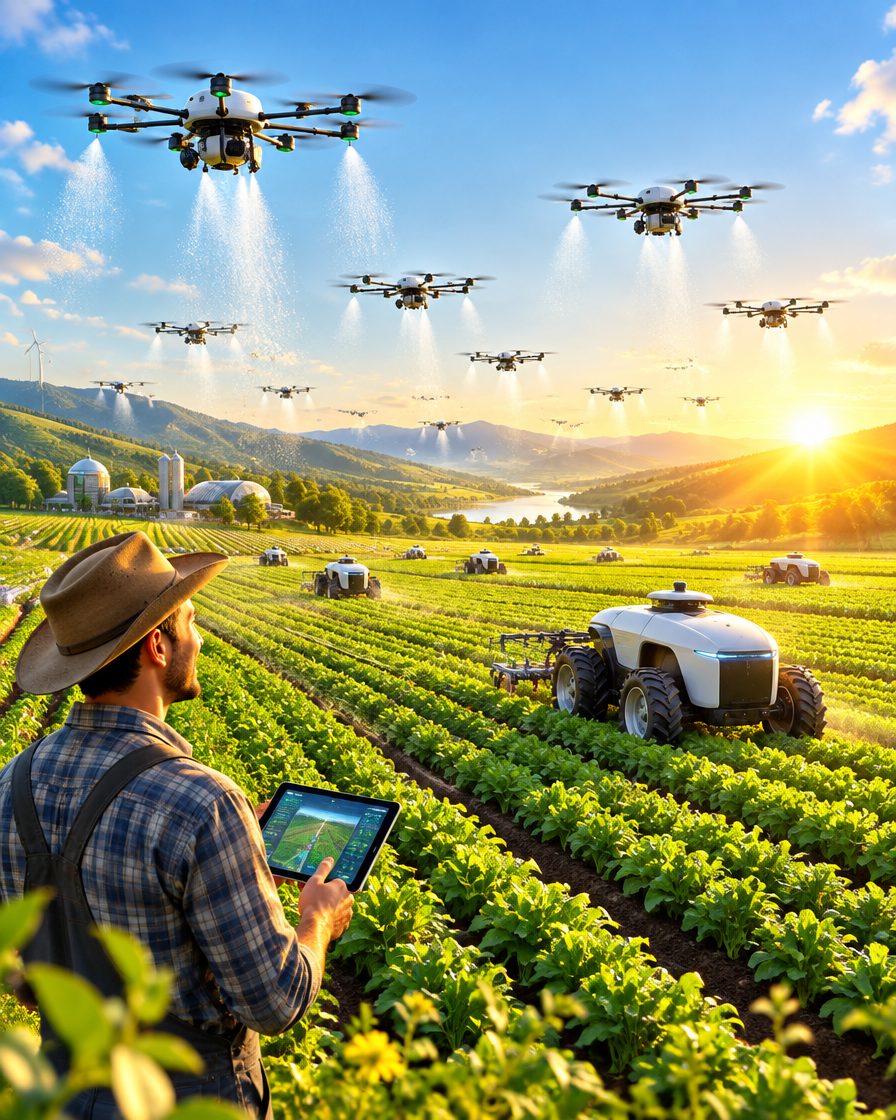 ROBOTS DO 25% OF HIGH-TECH FARM WORK. THE MARKET PASSES $50 BILLION.→
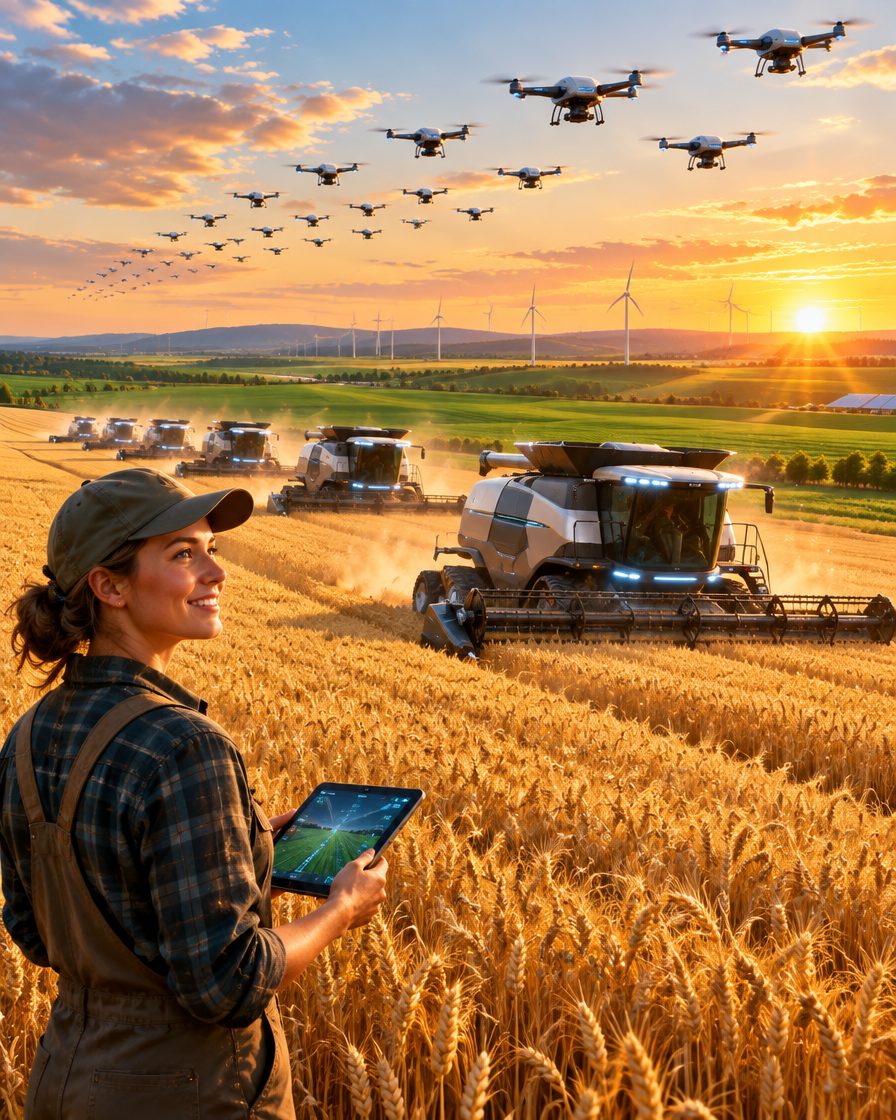 AI BECOMES THE BRAIN OF THE FARM. CONNECTED AGRICULTURE UNLOCKS $500 BILLION+ IN VALUE.→
More FAQs about Food, Drinks, Farming, and AgTech
Will satellites and remote sensing become standard farm tools?→Will AI become the farmer's decision engine?→How will biotech and genomics change farming by 2030?→How will IoT and IIoT change farming by 2030?→Will engineered food replace traditional farming?→Can AgTech solve agriculture's water problem?→Your question not here? Ask Igor. 2 questions, unlimited for Misfits.
Ask Igor