New Retail Record: Alibaba Singles Day 2018 Hits $30.8 Billion
On Singles Day 2018, China’s e-commerce giant Alibaba smashed all worldwide digital shopping and retail records, hitting the staggering amount of $30.8 billion in online sales. In just 24 hours!
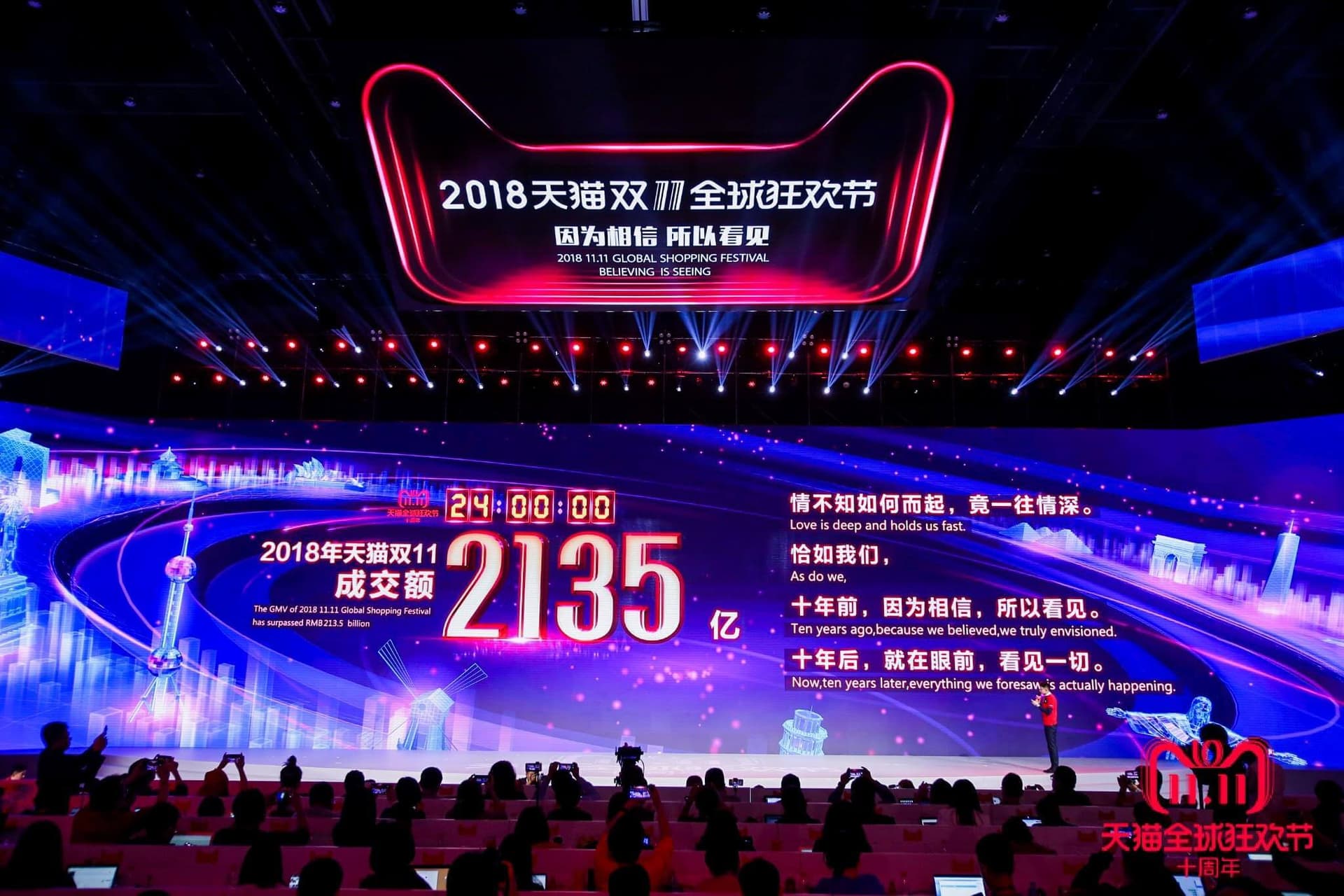
On Singles Day 2018, China’s e-commerce giant Alibaba smashed all worldwide digital shopping and retail records, hitting the staggering amount of $30.8 billion in online sales. In just 24 hours! That topped the $25.3 billion record set in 2017.
The 10th edition of Singles Day launched with a big bang, hitting the $1 billion mark in just 85 seconds. Just over one hour in, sales exceeded $10 billion. The total number of delivery orders surpassed one billion.
Singles Day 2018 Staggering Growth: Against All Odds
The online retail blitz known as Singles Day demolished Black Friday and Cyber Monday combined. Many financial analysts and journalists doubted Alibaba's success this year. Their arguments were valid. But their forecasts might have overlooked China's fast-growing number of mobile shoppers.
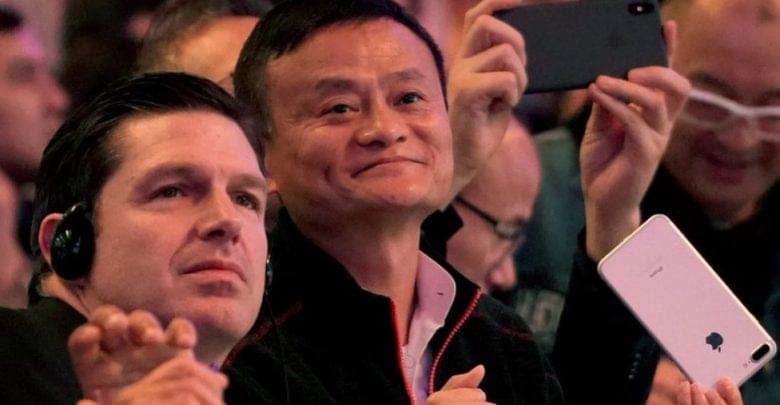
Analysts wrote that Singles Day 2018 came as Alibaba’s growth was under pressure due to Trump’s trade war with China. Alibaba's radical retail thinker and billionaire founder Jack Ma recently called it the “most stupid thing in this world.”
Also, the fact that Alibaba is under pressure from China’s slowing economy didn’t seem to bother Jack Ma. My curiosity? What can brands learn from Singles Day 2018 and Jack Ma’s radical Math Man lens on retail trends?
Here are some of the lessons Ma has been teaching us:
E-commerce: Go Big, Go Niche or Go Home
Lesson #1. The e-commerce trend is gigantic and keeps growing. But like NASA, you will need imagination, a mindset of magic, planning power, and persistence. Alibaba created an infrastructure capable of handling an average of 250,000 transactions per second. How about a workforce of over 3 million people to deliver over one billion packages?
Lesson #2. In the Western World, many brands remain skeptical about mobile commerce. Sure, China skipped fixed internet and jumped straight to smartphones. Over 80% of Alibaba’s one billion transactions were made via a smartphone.
There’s your future e-commerce strategy: Make it mobile first. And try to close your loop in all your social commerce efforts: See. Like & Buy!
WeCommerce: Collaborative Ecosystems, Not Egosystems
Alibaba's 11.11 Global Shopping Festival offered consumers 100+ million products from 180,000 retailers, including brands like P&G, L’Oréal, Target, and top technology companies such as Xiaomi, Apple, and Dyson.
Lesson #3. The power is often in collaboration. Jack Ma once publicly released his radical vision on the future of Retail in a letter to his shareholders: “We want to grow Alibaba in 20 years from 500 million towards 2 billion customers, make 10 million e-tailers profitable through our platform, and create 100 million new jobs.”
Jack Ma believes in globalization. He wants to offer small businesses and stores a platform to easily sell worldwide. The Trump administration clearly fears the collaborative-commerce superpower China.
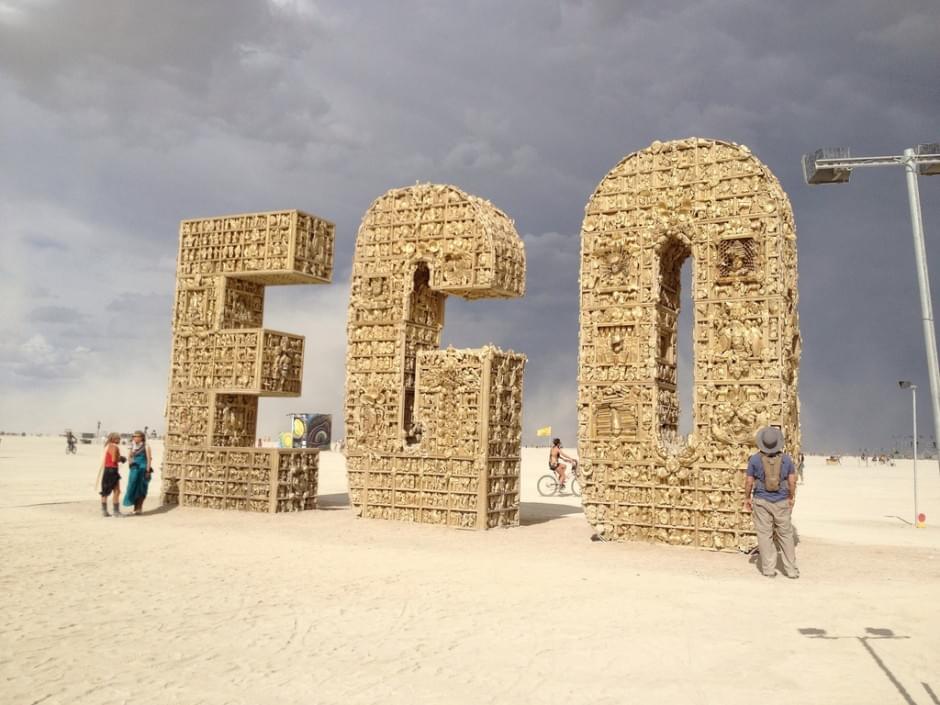
Lesson #4. In the West, both the media and the retail industries failed to join forces. Not invented by me above collective power? That’s just expensive ego.
Ego is one of the reasons why the Facebook-Google duopoly demolished the established media owners in less than a decade. Veni. Vidi. Vici.
And bet your butt Facebook and Google are stepping up their mobile commerce game. Their playbooks clearly show that they are dedicated to competing with Amazon and Alibaba.
Advertising May Win Quarters, Innovation Wins Decades
Lesson #5. Advertising may win quarters, innovation wins decades. Every advanced technology and social or business trend is being leveraged by Alibaba to take e-commerce and customer-centricity to the next level.
Facial recognition and pay-with-a-selfie technology enable millions of millennials to buy much faster. Augmented Reality (AR) and Virtual Reality (VR) enable an accessible, seamless shopping experience, and Artificial Intelligence (AI) enhances customer-centricity and intelligent personalization.
While Facebook’s WhatsApp is just a communication tool, Tencent’s WeChat is a more advanced platform that empowers brands to enhance the customer experience and increase commerce revenue.
Every single Industry 4.0 trend and technology is being used to create a better shopping experience. The West might still be arrogant and see China as a copycat. Alibaba clearly shows us that China is moving from imitation to innovation at a dazzling pace.
Alibaba had already opened FashionAI. The advanced customer-centric concept store in Hong Kong is teasing the future of Fashion Retail.
Alibaba’s digital marketing arm Alimama unveiled an artificial intelligence-powered copywriting tool. Tapping the huge pool of content on Alibaba’s e-commerce sites, Tmall and Taobao, the AI copywriting tool uses deep learning and natural language processing technologies learn from millions of top-quality existing samples to generate copy for products.
This is where other retailers will place their technology bets for 2019 and beyond: Big Data, IoT, and SoLoMo-based marketing.
Omnichannel is the next big buzzword for Retailers who want to identify 100% of their customers across all channels. Everyone in Retail wants to be like Alibaba and Amazon, who both know their customers better than the customers know themselves.
Experience Shopping: Retail-As-Entertainment
Lesson #6. Retail-as-entertainment really matters. The launch of this year's 11.11 festival featured singer Mariah Carey, Australian model Miranda Kerr, and Cirque du Soleil. The show was broadcast live from Shanghai on two television channels and on video streaming platform Youku.
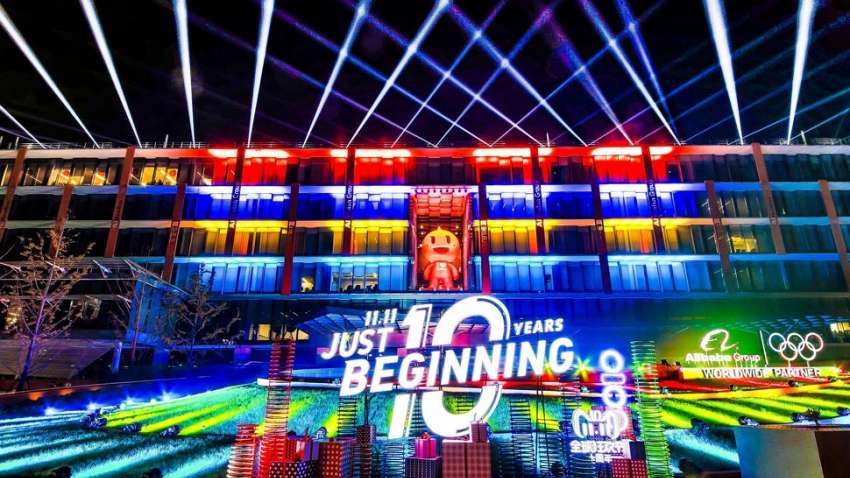
Alibaba’s Global Shopping Festival is a Walt Disney tour for retail imagination. And I can't inspire you enough: "Take retail safaris in China." If you lack time or budget, go explore it online for free! In the age of information, ignorance is a choice.
I've added some other inspirational videos on this YouTube channel. Tips on cool new or relevant content are very welcome!
My Conclusion
The number of retail bankruptcies in 2018 was scary. The Mad Men generation relying on advertising needs to wake up. Too many brands are still retailing like it’s 1999. They seem to be delusional when it comes to trend-driven innovation.
Marketing innovation in the era of Industry 4.0 is about foresight, not backward-looking market research, paid panels, and polls. Old school methods that didn't foresee Brexit, Trump, Kodak, Nokia, and Toys“R” Us.
Singles Day 2018 will help traditional Retailers towards immersion, imagination, innovation, and motivation. Can you imagine the massive amount of consumer data Alibaba gathered? How will it enable them to excel in future customer-centricity and omnichannel?
The most important lesson I’ve learned? Retail needs a massive shift in mindset: "Advertising may quarters, innovation wins decades."
Retailers should look beyond the Return on Investment of Innovation. The risk of Inaction is equally essential. What if you don’t seize the limitless business opportunities of the 21st century? Disruptive innovations that take over entire markets in under a decade always come from outsiders and outliers and prove that "Big is only good when big is smart."
The speed of innovation is vital to increasing retail competitiveness and acceleration.
About China? Yes, it might indeed have been a copycat for decades. It’s now moving from imitation to innovation to industrialization. At a pace we have never seen before.
Get Access To My Uncensored Voice of Reason
We all know the mainstream media is often full of propaganda and bribed journalism. Big Tech makes it even worse with its content censoring, fake fact-checkers, and fading social channels to black. Should I add #fansonlease, walled gardens, and squeezing artists like lemons to the toxic social media list?
Don’t miss out! Get Math Man Magazine and my uncensored voice in your mailbox twice a month. 100% free! In my newsroom, live-on-stage action, podcasts, interviews, and more.
Read my recent article in Rolling Stone magazine about cause artists and athletes.
About the Author
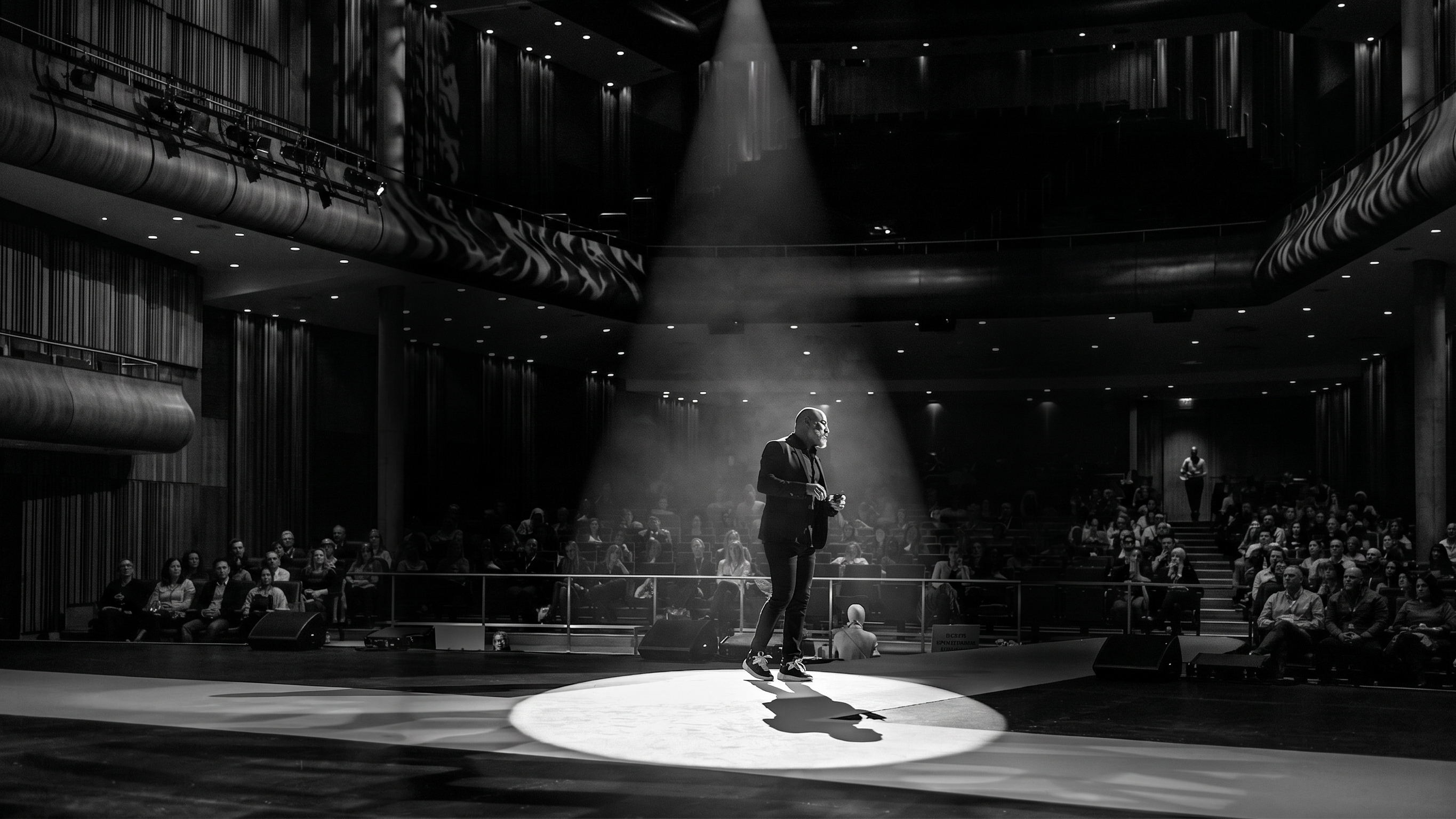
In the spotlights, Igor Beuker is a top marketing innovation keynote speaker and futurist known for his foresight on trends and technologies that impact business, economy, and society. Behind the scenes, a serial entrepreneur with 5 exits and an angel investor in 24 social startups. Board member at next-level media firms, changemaker at Rolling Stone Culture Council, Hollywood sci-fi think tank pioneer, award-winning marketing strategist for Amazon, L’Oréal, Nike, and a seer for Fortune 500s, cities, and countries.
Foresight is better shared. Pass it on.